Discover Occitania
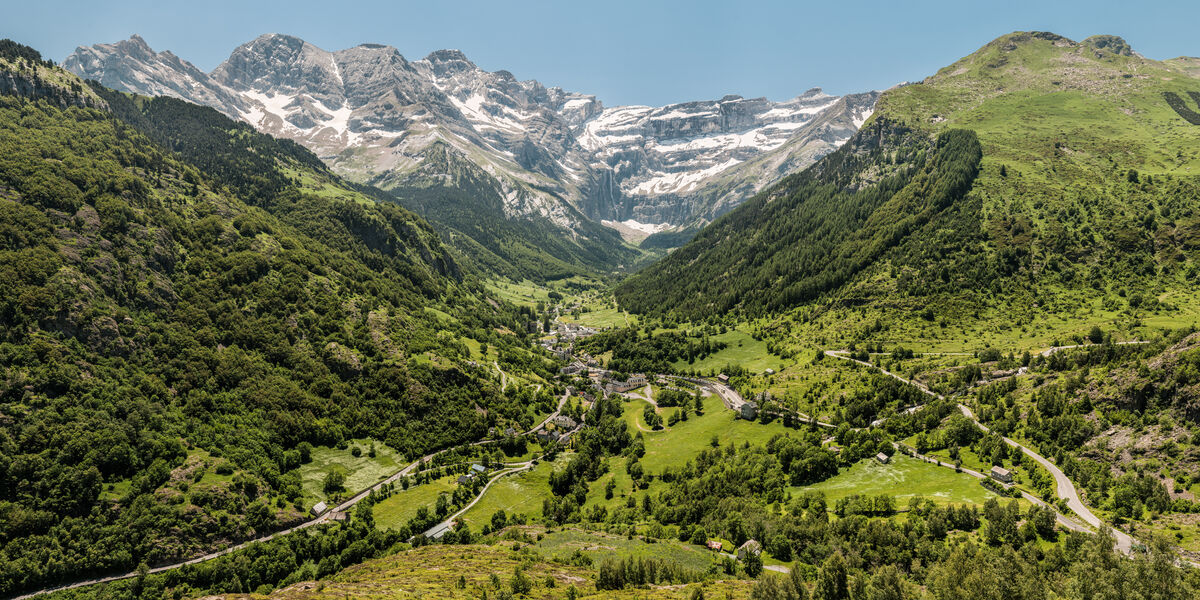
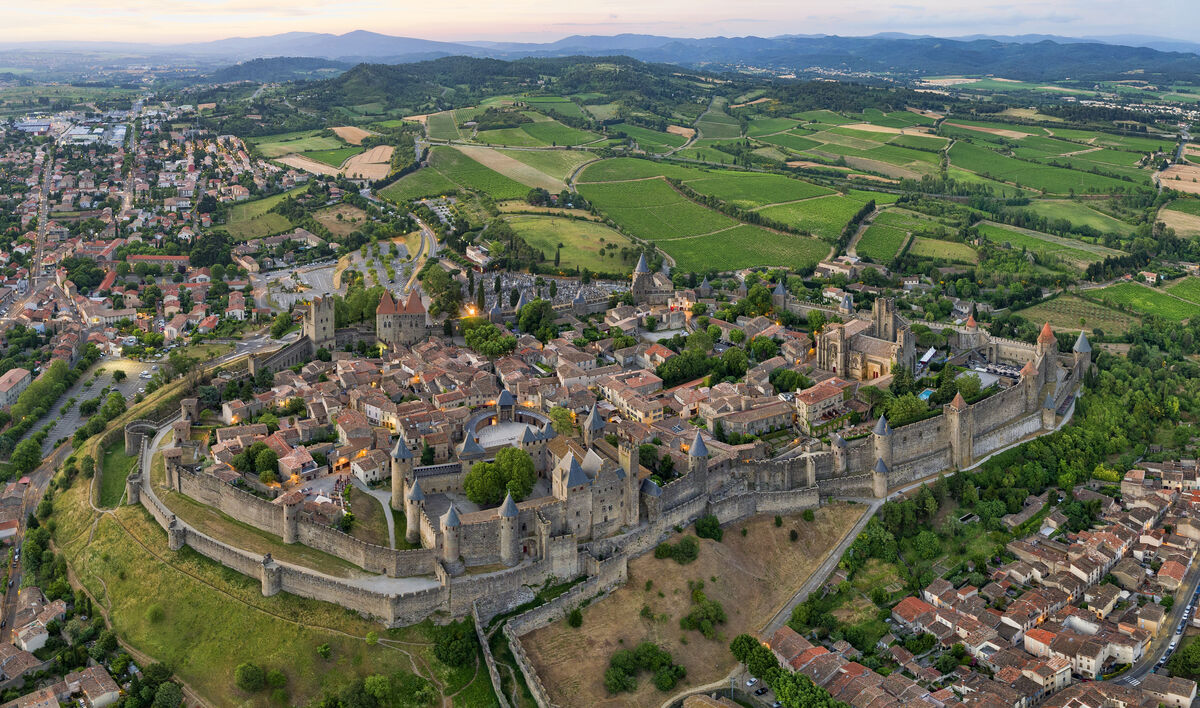
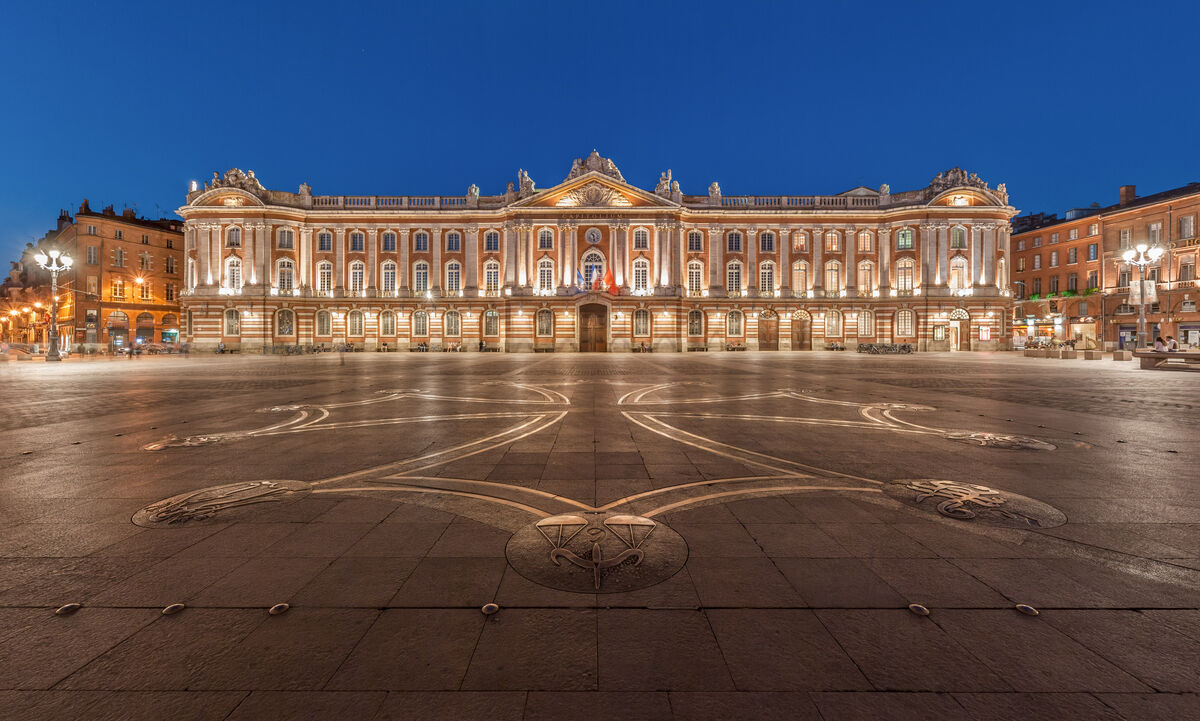
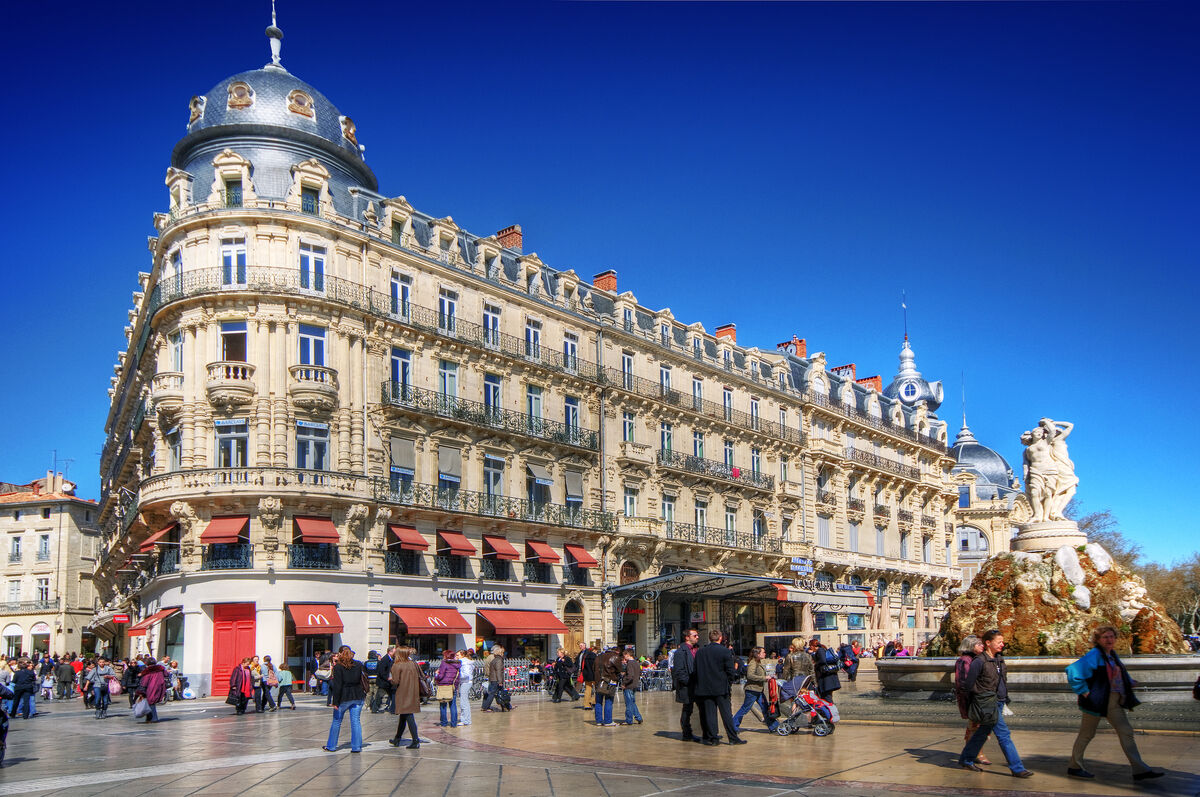
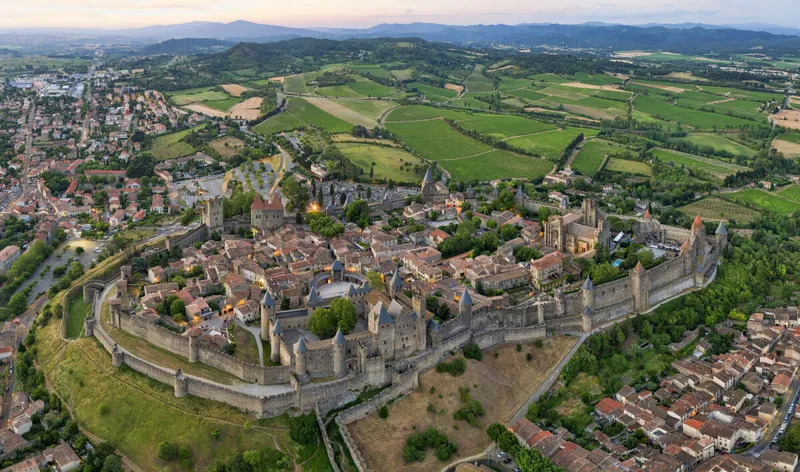
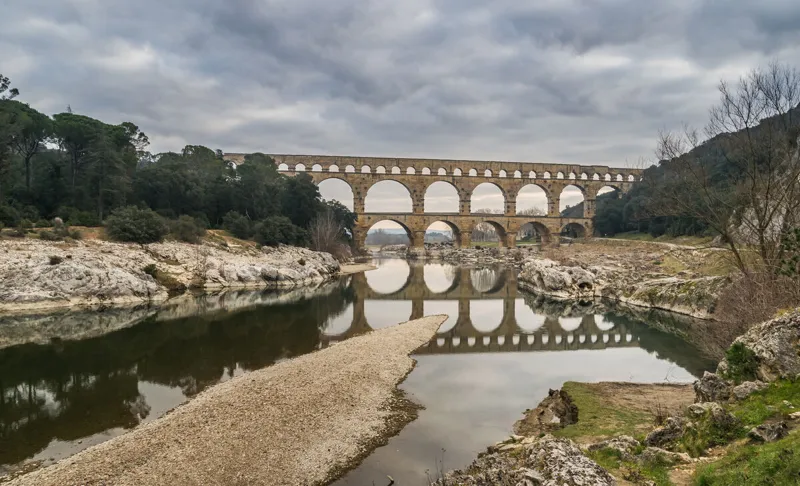
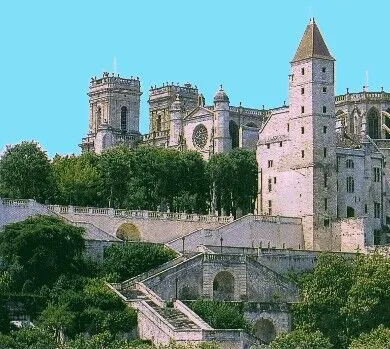
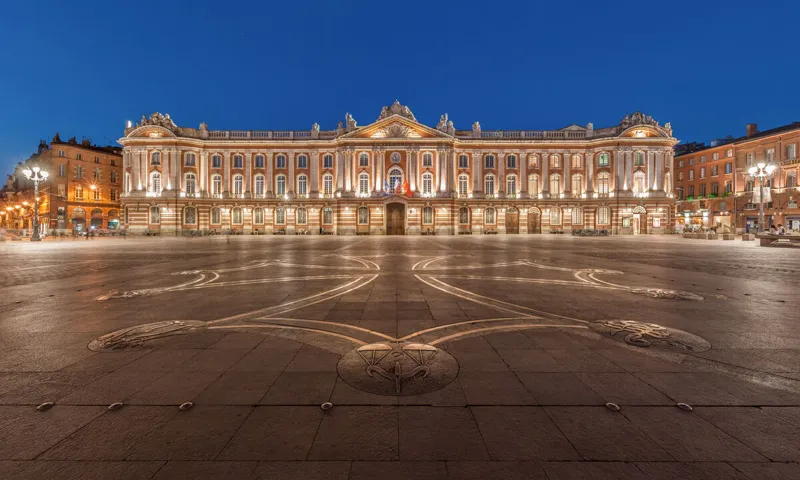
Occitania, born from the merger of Languedoc-Roussillon and Midi-Pyrénées, is France's second-largest region. Its diversity covers the Pyrenees in the south, the Massif Central in the north, the Languedoc wine country in the heart, the Mediterranean coast in the east, and even gateways to Spain and Andorra. Toulouse, the "pink city" of terracotta bricks, capital of European aerospace, holds an exceptional Romanesque heritage (Basilica of Saint-Sernin, the largest Romanesque church in Europe). Carcassonne, Europe's second-largest fortified medieval city (UNESCO), keeps 3 km of ramparts and 52 towers. The Pont du Gard, a 3-level Roman aqueduct (UNESCO), still spans the Gardon gorges. The Canal du Midi (UNESCO), engineered by Pierre-Paul Riquet in the 17th century, links Toulouse to the Mediterranean over 240 km through the Minervois and Saint-Chinian vineyards. The Cathar country unfolds its dizzying citadels (Quéribus, Peyrepertuse, Puilaurens, Aguilar). The Tarn and Jonte gorges carve the Causses in the Massif Central. In the south, Pyrénées-Orientales offer Collioure (Catalan port), Cerbère, Pic du Canigou. The region is also great wine country (Languedoc, Roussillon, Gaillac, Madiran, Côtes du Roussillon) and cheese country (AOP Roquefort, AOP Pélardon, AOP Bleu des Causses). Cassoulet (Castelnaudary, Toulouse, Carcassonne), garbure, aligot, foie gras, confit duck and naturally sweet wines (Banyuls, Maury) build a powerful table. Ideal season: April to June and September to October.