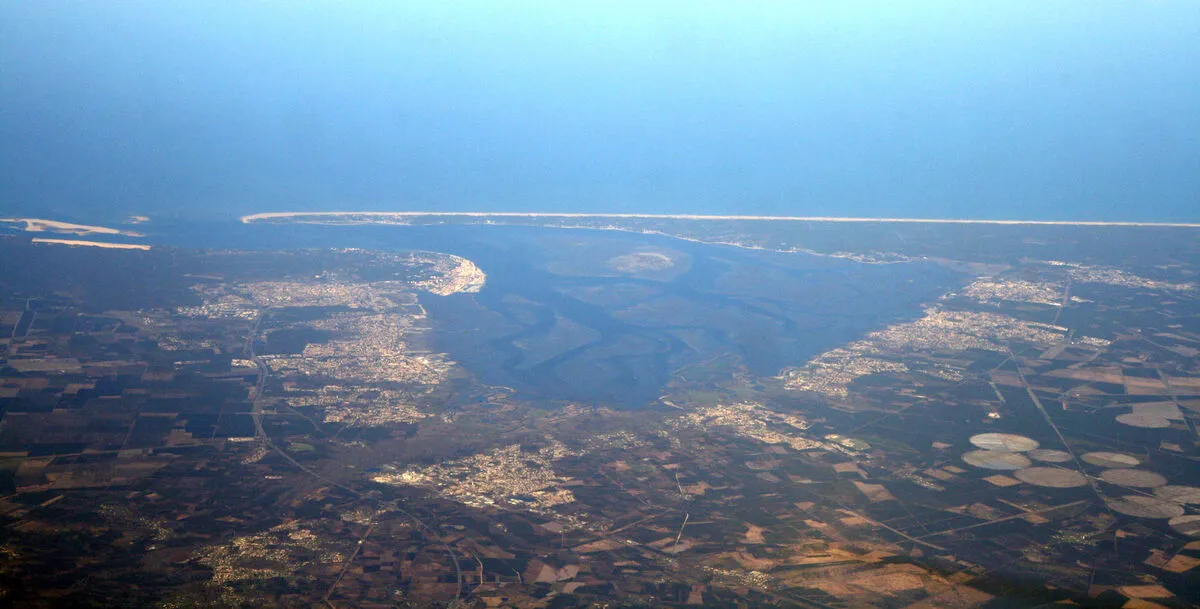
The largest department in mainland France carries itself accordingly. On one side, Bordeaux, a cultural metropolis whose renovated riverfront has turned the city into an architectural showcase. On the other, the Arcachon Bay and Europe's tallest sand dune, the Dune du Pilat, standing sentinel against the ocean. In between, the most famous vineyards in the world: Saint-Emilion, Margaux, Pauillac.
Bordeaux: A City Reborn
Place de la Bourse and the Water Mirror
Bordeaux has undergone a remarkable transformation over the past two decades. Centuries of soot have been cleaned from the golden limestone facades, the Garonne riverfront has been opened to pedestrians, and a sleek tramway has reshaped the city's flow. The icon of this renaissance is the Miroir d'Eau (Water Mirror) on the Quai de la Douane: a vast 3,450-square-meter sheet of shallow water that alternately reflects the magnificent eighteenth-century Place de la Bourse and cloaks it in a veil of mist. Free and open around the clock, it is the world's largest reflecting pool. For the best photographs, arrive in the two hours before sunset.
Cité du Vin
No visit to Bordeaux is complete without the Cité du Vin, a swirling, glass-clad building inaugurated in 2016 on the banks of the Garonne. Far more than a conventional wine museum, it offers an immersive journey through 3,000 years of global wine culture. Twenty thematic zones blend films, scent stations and interactive screens. The experience culminates with a complimentary glass of wine on the eighth-floor Belvedere, panoramic views included. Admission is approximately 22 euros; allow at least two and a half hours.
Living Quarters
The pedestrian lanes of Quartier Saint-Pierre form the beating heart of old Bordeaux, brimming with wine bars, bistros and independent shops. On Sunday mornings the Marché des Quais stretches for over a kilometer along the river, selling Arcachon oysters, canelés, farmhouse cheese and seasonal produce. Across the Garonne, the Darwin Ecosystem occupies a former barracks converted into an alternative hub of organic restaurants, street art, a skatepark and a craft brewery. General access is free.
Saint-Émilion and the Vineyards
A Medieval Gem
UNESCO-listed Saint-Émilion is widely considered the most beautiful wine village in France. Steep cobbled lanes wind past a monolithic church hewn from solid rock, Romanesque cloisters and ivy-draped ramparts. The underground tour organized by the tourist office costs around 13 euros. For sweeping views over the surrounding vineyards, climb the Tour du Roy (about 2 euros). Tastings at smaller estates start from as little as 5 euros, while premium experiences at top-tier domaines can reach 40 to 60 euros.
The Médoc Route des Châteaux
North of Bordeaux, the Médoc peninsula is home to legendary appellations: Margaux, Pauillac, Saint-Julien, Saint-Estèphe. The D2 road, nicknamed the Route des Châteaux, passes illustrious properties such as Château Margaux, Château Latour and Château Mouton Rothschild. Top-tier First Growths charge upward of 50 euros per tasting and require advance booking, but family-run estates along the route offer warm, informative visits for 5 to 15 euros.
Entre-deux-Mers
Less famous but equally appealing, the rolling plateau of Entre-deux-Mers, wedged between the Garonne and Dordogne rivers, produces excellent dry white wines and shelters quiet medieval bastide towns. Tasting fees are generally lower than at Saint-Émilion, and the atmosphere is more intimate. It is an ideal detour for travelers seeking the authentic Bordeaux wine experience away from the crowds.
Arcachon Bay
Dune du Pilat
A natural monument of staggering scale, the Dune du Pilat is the tallest sand dune in Europe: 106 meters above sea level, 2.9 kilometers long and 616 meters wide. The climb takes roughly ten minutes via a seasonal staircase (installed April to November) or directly up the sand face. From the crest, the panorama sweeps across the Atlantic Ocean, the Banc d'Arguin sandbar, the pine forest and the mouth of the bay. Access is free; parking costs approximately 6 to 10 euros depending on the season. Come at sunset for a truly unforgettable spectacle.
Île aux Oiseaux and Cap Ferret
At the heart of the bay, the Île aux Oiseaux and its iconic cabanes tchanquées (stilted fishing huts) can be visited by boat from Arcachon or Cap Ferret (about 18 to 25 euros, lasting two to three hours). The Cap Ferret peninsula, relaxed and stylish in equal measure, provides a striking contrast to Arcachon. Its oyster villages — L'Herbe, Le Canon, Piraillan — line up colorful wooden cabins where you sit at trestle tables, shuck oysters by the dozen and drink cold white wine with your feet almost in the sand. Expect to pay about 8 to 12 euros for a dozen oysters bought directly from the producer.
Arcachon and the Ville d'Hiver
The town of Arcachon itself rewards a stroll, particularly through the Ville d'Hiver quarter, a remarkable collection of nineteenth-century villas built in wildly eclectic styles — neo-Gothic, Moorish, colonial — for wealthy visitors who came to take the sea air. A signposted walking circuit takes about an hour.
Blaye and the Vauban Citadel
On the right bank of the Gironde estuary, the Citadel of Blaye, designed by the military architect Vauban, is part of the network of fortifications inscribed on the UNESCO World Heritage List. Its imposing ramparts overlook the estuary and shelter a small village of artisan shops and restaurants. Entry to the citadel is free, and guided tours are available in season (about 6 euros). The ferry crossing from Lamarque in the Médoc is a pleasant experience in itself and takes around 20 minutes.
The Tastes of Gironde
Gironde is a food lover's playground. Arcachon Bay oysters, served raw with a squeeze of lemon and accompanied by grilled crépinettes (small sausages), are a time-honored ritual. The canelé, Bordeaux's signature pastry, is a small caramelized cake with a soft rum-and-vanilla custard center baked in a distinctive copper mold — look for those with a dark, almost black crust. Entrecôte à la bordelaise, a rib steak draped in a red-wine-and-shallot sauce, pairs beautifully with a glass of Médoc.
Practical Tips
- When to go: May, June and September strike the best balance of sunshine and manageable crowds. Summer is hot and beaches are packed. Autumn brings the grape harvest and golden light.
- Getting around: Bordeaux is two hours and ten minutes from Paris by TGV. The tram covers the city well. A car is essential for the Médoc, Arcachon Bay and Saint-Émilion. Bordeaux to the Dune du Pilat is about 65 kilometers (one hour).
- Budget: Expect 80 to 130 euros per night for a double room, 15 to 25 euros for a restaurant lunch, 5 to 60 euros for a wine tasting. Attraction entry fees range from 6 to 22 euros.
- How long: Allow 5 to 7 days for a thorough tour of the département. Bordeaux alone deserves 2 to 3 days, Arcachon Bay 1 to 2 days.
- Do not miss: Sunset from the crest of the Dune du Pilat, oysters at an oyster shack on Cap Ferret, and a morning wandering the lanes of old Saint-Émilion.
Explore on the map
Map →📚 Related collections
Related guides
 Regions
Ain: Bresse, Dombes and Pays de Gex
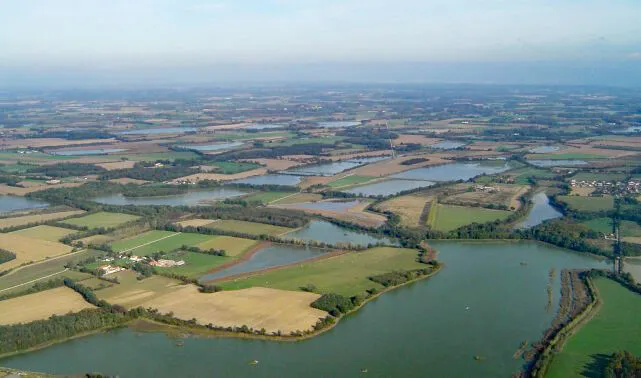
Discover the Ain: world-famous Bresse poultry, the thousand ponds of the Dombes, Pays de Gex facing Mont Blanc and the emerald gorges of Nantua. Complete guide.
 Regions
Aisne: Laon's Medieval Citadel and the Chemin des Dames
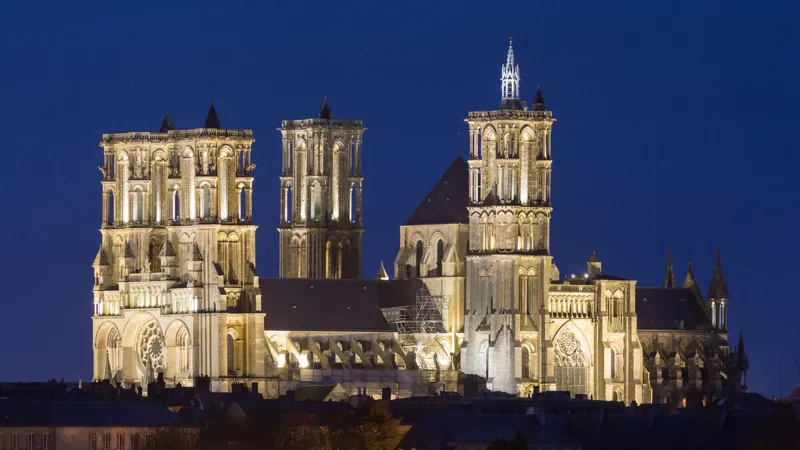
Discover the Aisne département: Laon's hilltop medieval city, the Chemin des Dames battlefields, Soissons, the Familistère de Guise and Champagne vineyards. Complete travel guide.