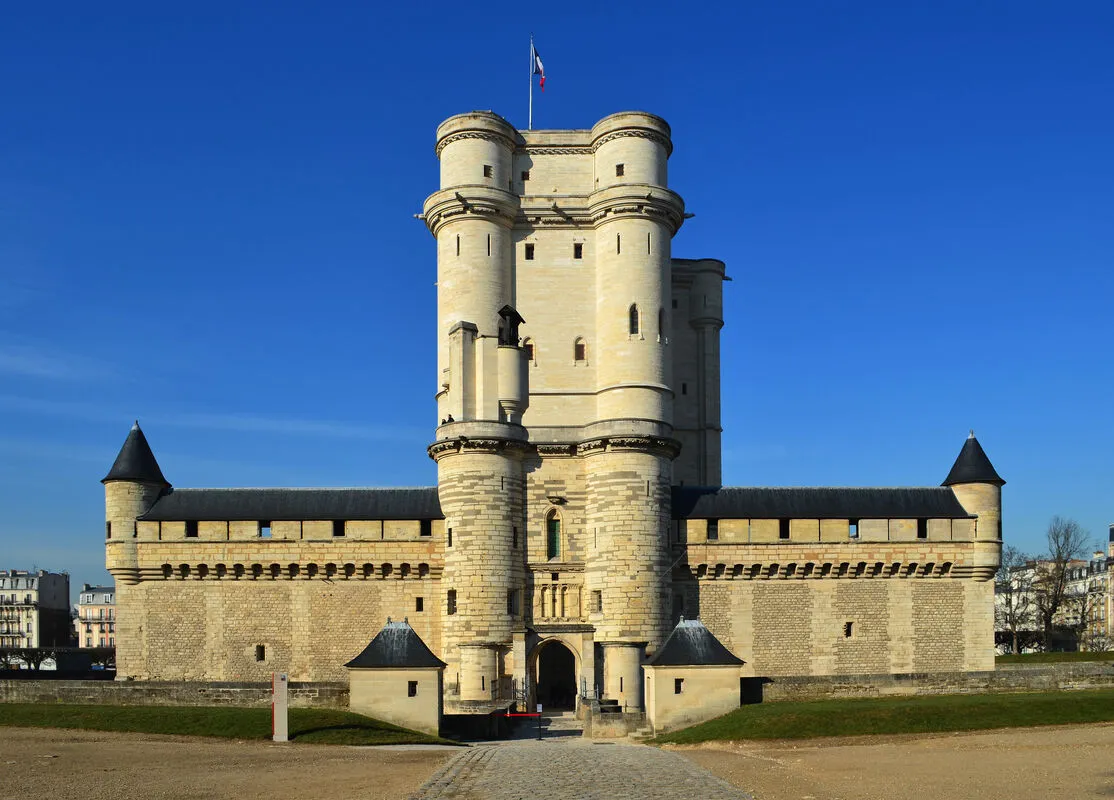
The Bois de Vincennes, the largest green space in Paris, with its medieval castle, its renovated zoo and its Lac Daumesnil, is merely the gateway to the Val-de-Marne. This inner-suburban department, nestled between the Seine and the Marne, holds surprises: the Val-de-Marne rose garden with 3,000 varieties, the MAC VAL devoted to contemporary art, and the guinguettes along the Marne where people still dance on Sundays.
The Château de Vincennes: Medieval Fortress on Paris's Doorstep
The Château de Vincennes is the largest standing medieval royal fortress in Europe. Its keep, at 52 metres the tallest in Europe, is a masterpiece of 14th-century military architecture. Built by the Valois dynasty, the castle served variously as a royal residence, state prison (Diderot, the Marquis de Sade, and Mirabeau were all held here), and military arsenal.
The visit to the keep and the Sainte-Chapelle — a Flamboyant Gothic jewel with extraordinarily fine stained glass — costs around 9.50 euros and lasts 1 to 1.5 hours. The outer walls with their nine towers and moat are free to access and make for an impressive walk. Decades of restoration work have returned the castle to its former glory.
Practical tip: the castle is right at the metro exit (line 1, Château de Vincennes station). Visit in the morning, then follow up with an afternoon stroll through the Bois de Vincennes.
The Bois de Vincennes: Green Lung of Eastern Paris
The Bois de Vincennes, at 995 hectares, is the largest green space in Paris and its immediate suburbs. It is a vital breathing space for residents of eastern Paris and Val-de-Marne. It holds several lakes, including Lac Daumesnil with its two islands reached by footbridges, Lac des Minimes, and Lac de Saint-Mandé.
The Parc Floral de Paris (environ 3 euros in high season, free in winter), located within the woods, is a 31-hectare botanical garden housing remarkable collections of camellias, rhododendrons, dahlias, and aquatic plants. In summer it hosts the Paris Jazz Festival (free with park admission) and the Festival Classique au Vert.
The Vincennes Zoo (officially Parc Zoologique de Paris, environ 22 euros), completely renovated in 2014, presents animals in environments replicating five global biozones. The 65-metre artificial Grand Rocher is its landmark. It is a must for families; allow about 3 hours.
Activities in the Woods
The Bois de Vincennes lends itself to many activities: cycling (Velib' hire at the entrances), jogging around Lac Daumesnil, rowing on the lake (environ 12 euros per half hour), or simply picnicking on the vast lawns. The Vincennes Hippodrome, temple of trotting, hosts races throughout the year (entry from 3 euros), including the prestigious Prix d'Amérique in January.
MAC/VAL: Contemporary Art in Val-de-Marne
The MAC/VAL (Musée d'Art Contemporain du Val-de-Marne) in Vitry-sur-Seine is the first contemporary art museum built in the Paris suburbs. Opened in 2005, it holds a permanent collection of over 2,000 works by French artists from the contemporary scene since the 1950s. Temporary exhibitions are ambitious and often surprising.
Admission costs around 5 euros (free on the first Sunday of the month). The building, designed by architect Jacques Ripault, is bright and airy. The sculpture garden is a pleasant place to extend the visit. MAC/VAL regularly organises workshops, performances, and events that enliven the neighbourhood.
Vitry-sur-Seine is also known for its street art. The town has hosted monumental murals covering building facades for years. Free guided tours are organised by the town hall (check the programme on the city's website).
The Marne Riverbanks: Guinguettes and Joie de Vivre
The banks of the Marne are inseparable from a certain popular joie de vivre. This is where Parisians came for Sunday entertainment in the 19th century, inspiring the Impressionist painters. The guinguettes — riverside restaurant-dance halls — have enjoyed a spectacular revival in recent years.
The Guinguette de l'Île du Martin Pêcheur at Champigny-sur-Marne and Chez Gégène at Joinville-le-Pont are institutions. People dance to musette music, eat fried gudgeon and charcuterie boards, and drink chilled white wine — all in a festive, good-natured atmosphere. A meal costs between 15 and 30 euros, and entry to the dances is usually free or token-priced.
The Marne riverside path lets you follow the river on foot or by bike for several kilometres between Nogent-sur-Marne and Saint-Maur-des-Fossés. Poplars, willows, and locks create a surprisingly bucolic landscape just a stone's throw from Paris. In summer, canoe-kayak bases let you paddle down the Marne for around 15 to 20 euros per half day.
Rungis Market: The Belly of France
The Rungis International Market is the world's largest fresh produce market. It supplies restaurants, hotels, and shops across France and beyond. Normally reserved for professionals, it can be visited through guided tours organised at dawn (departure around 5:30 am, approximately 25 to 35 euros per person, booking mandatory).
The visit is a unique experience: the seafood halls with their tonnes of fish and shellfish, the meat pavilion, the aisles of fruit and vegetables from around the world, and the cheese halls create a fascinating sensory spectacle. You gain a deeper understanding of France's passion for gastronomy watching this immense logistical ballet that unfolds every night.
Practical tip: tours depart very early, plan for a pre-dawn wake-up. Groups are limited, so book several weeks in advance, especially during tourist periods.
Heritage and Walks
Val-de-Marne has other gems. Nogent-sur-Marne and its Pavillon Baltard (a former structure from the Paris Halles, now a performance venue) testify to the department's attachment to its heritage. Choisy-le-Roi has a notable church and a pleasant old quarter. Maisons-Alfort is home to the National Veterinary School and its Fragonard Museum, a unique and slightly unsettling anatomical cabinet of curiosities (environ 7 euros) that leaves nobody indifferent.
The Val-de-Marne Rose Garden at L'Hay-les-Roses (environ 5 euros from May to September) is the world's oldest rose garden, with over 3,200 varieties. It is an enchanted place in June, when the roses are in full bloom and their scent fills the alleys.
Val-de-Marne Gastronomy
The department benefits from its residents' cultural diversity and the proximity of Rungis. The markets of Saint-Maur, Maisons-Alfort, and Vincennes are of fine quality. Guinguette cuisine — fried gudgeon, eel stew, strawberry tart — is a living gastronomic heritage.
The Asian restaurants of Choisy-le-Roi and the Triangle de Choisy (spilling from Paris into Val-de-Marne) offer authentic Vietnamese, Chinese, and Cambodian cuisine at very gentle prices (meals between 8 and 14 euros). For a more gastronomic table, L'Ours in Vincennes, a Michelin-starred restaurant by chef Jacky Ribault, offers inventive cuisine (menus from 55 euros).
Practical Tips
- When to visit: May to September for guinguettes and the Marne riverbanks, June for the rose garden, year-round for the castle and MAC/VAL
- Getting around: metro line 1 serves Vincennes, RER A passes through Vincennes and Nogent-sur-Marne, metro line 8 reaches Créteil — the department is well connected by public transport
- Food budget: expect 15 to 30 euros for a guinguette meal, 8 to 14 euros at an Asian restaurant, 30 to 55 euros at a gastronomic table
- Suggested duration: 2 to 3 days for the main sites, one day for the castle and the Bois de Vincennes
- Must-do experiences: a guinguette lunch by the Marne, an early-morning Rungis market tour, and cherry blossoms in the Parc Floral in spring
Explore on the map
Map →📚 Related collections
Related guides
 Regions
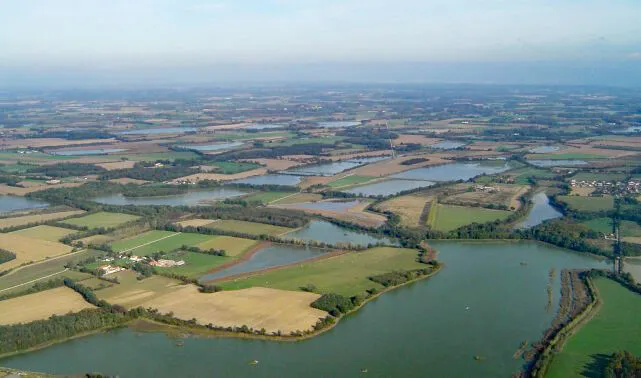
Ain: Bresse, Dombes and Pays de Gex
Discover the Ain: world-famous Bresse poultry, the thousand ponds of the Dombes, Pays de Gex facing Mont Blanc and the emerald gorges of Nantua. Complete guide.
 Regions
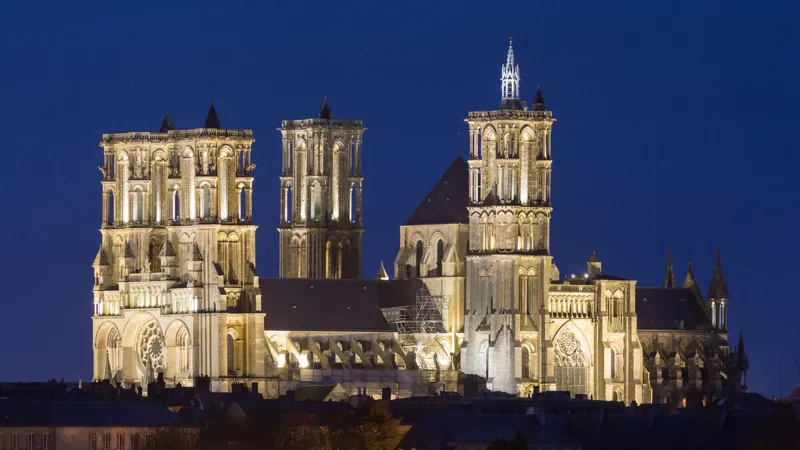
Aisne: Laon's Medieval Citadel and the Chemin des Dames
Discover the Aisne département: Laon's hilltop medieval city, the Chemin des Dames battlefields, Soissons, the Familistère de Guise and Champagne vineyards. Complete travel guide.