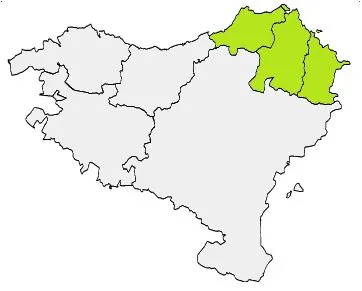
On one side, surfers ride the Atlantic swells beneath the sculpted cliffs of the Basque coast. On the other, Bearnais shepherds drive their flocks to summer pastures in valleys that have barely changed in centuries. The Pyrenees-Atlantiques holds these two worlds in a single department, adding to the picture elegant Biarritz, festive Bayonne, the Jurancon vineyard and the soaring Pic du Midi d'Ossau.
The Basque Coast
Biarritz: Queen of the Waves
Biarritz is a town of two faces. An aristocratic resort chosen by Empress Eugénie in the nineteenth century, it has been Europe's surfing capital since the 1960s. The Grande Plage, a broad sweep of golden sand flanked by Belle Époque villas and grand hotels, is the town's centerpiece. Further south, the more intimate Côte des Basques offers the best surf breaks and a splendid panorama of the Pyrenees. A beginner surf lesson costs roughly 40 to 60 euros for 90 minutes.
The Rocher de la Vierge, linked to the shore by a metal footbridge attributed to Gustave Eiffel, provides a dramatic vantage point over the ocean and the coast. Access is free. During heavy swells, the waves crashing against the rock create a mesmerizing spectacle.
Bayonne: Cultural Heart
Bayonne, ten minutes from Biarritz, is the true cultural capital of the French Basque Country. Its historic center, threaded by the Nive and Adour rivers, is a maze of narrow streets lined with colorful half-timbered houses, the scent of cured ham and chocolate drifting from doorways. The Musée Basque et de l'Histoire de Bayonne, housed in a riverside mansion, offers a deep dive into Basque culture — pelota, pastoral traditions, seafaring, language. Entry is approximately 7.50 euros. The imposing Gothic Cathédrale Sainte-Marie is a UNESCO World Heritage site as part of the Santiago de Compostela pilgrimage routes.
Bayonne is also the capital of chocolate — chocolatiers have been established here since the seventeenth century, introduced by Sephardic Jews expelled from Spain — and of Bayonne ham, aged for over 12 months. The Fêtes de Bayonne in late July are among the largest popular festivals in France.
Saint-Jean-de-Luz: The Elegant Port
Saint-Jean-de-Luz is a fishing port turned resort without having lost its soul. It was here that Louis XIV married the Spanish Infanta Maria Theresa in 1660, in the Église Saint-Jean-Baptiste with its spectacular gilded altarpiece (free entry). The Maison Louis XIV, the shipowner's house where the king stayed, can be visited for about 6 euros. The beach, sheltered by breakwaters, is one of the safest on the Basque Coast for family swimming. The port remains active — do not miss the early morning fish auction and the restaurants serving chipirons (squid) and ttoro (Basque fish stew).
The Basque Interior
Espelette and the Pepper
Twenty minutes from the coast, the green hills of the Basque interior offer a complete change of scenery. Espelette is the most famous village, instantly recognizable by the garlands of bright red piment d'Espelette peppers hanging from the facades of half-timbered houses. This mild pepper, protected by an AOP designation, flavors the entire Basque kitchen. The pepper festival in late October is a colorful, joyful event. Village shops offer free tastings.
Saint-Jean-Pied-de-Port and the Camino
Saint-Jean-Pied-de-Port, nestled at the foot of the Pyrenees, is the traditional starting point of the Camino de Santiago (Way of Saint James) via the Roncevaux pass. Its pink sandstone ramparts, medieval houses and Roman bridge over the Nive form a setting of striking beauty. Even without walking the 800-kilometer pilgrimage route, the climb to the citadel rewards with a magnificent mountain panorama. The village is especially vibrant in summer as pilgrims from all over the world pass through.
The Béarn
Pau and the Boulevard des Pyrénées
Pau, the département's capital, commands a dominant position on a promontory above the Gave de Pau river. The Boulevard des Pyrénées, a 1.8-kilometer terrace laid out on plans drawn up for Napoleon, offers one of the finest mountain panoramas in France: on a clear day, the Pyrenean chain stretches from the Pic du Midi de Bigorre to the Pic d'Anie. Free, open at all times, and spectacular at sunrise.
The Château de Pau, birthplace of King Henri IV, dominates the town and can be visited for about 7 euros. The Renaissance interiors, tapestries and the famous tortoiseshell said to have served as the future king's cradle are all worth seeing. Allow about 75 minutes for the guided tour.
The Ossau Valley
South of Pau, the Ossau Valley plunges into the heart of the Pyrenees. The Pic du Midi d'Ossau (2,884 meters), with its unmistakable pyramidal silhouette, dominates the valley. It is a paradise for hikers: the loop around the Lac de Bious-Artigues (about two hours, easy) provides spectacular views of the peak. More experienced hikers can tackle the full Tour du Pic du Midi d'Ossau (two days, intermediate to advanced).
The valley is also home to griffon vultures and izards (Pyrenean chamois). The Falaise aux Vautours (Vulture Cliff) at Aste-Béon runs an observation center with cameras installed in the nesting sites, allowing visitors to watch the raptors up close (about 8 euros). It is a compelling experience for nature lovers.
Jurançon Wine
On the hillsides south of Pau, the vineyards of Jurançon produce an aromatic, sweet white wine famously said to have been the first wine tasted by the newborn Henri IV. Winemakers welcome visitors for tastings that are often free or very modestly priced. The landscape of terraced slopes facing the Pyrenees is beautiful in its own right.
Practical Tips
- When to go: June and September are ideal for both surfing and hiking. July and August are lively and festive but crowded. Autumn is perfect for mountain colors and the Espelette pepper festival.
- Getting around: Biarritz has an airport. Pau is four and a half hours from Paris by TGV. A car is essential for the Basque interior and the Béarn valleys.
- Budget: Expect 80 to 150 euros per night (higher on the coast in summer), 15 to 30 euros for a meal, 6 to 8 euros for museum entry fees.
- How long: Allow 6 to 8 days to explore the Basque Coast, the interior and the Béarn. Three to four days suffice for the coast alone.
- Do not miss: Sunset from the Rocher de la Vierge, a chocolate tasting in Bayonne, walking through Espelette in autumn, and the Pyrenean panorama from the Boulevard des Pyrénées in Pau.
Explore on the map
Map →📚 Related collections
Related guides
 Regions
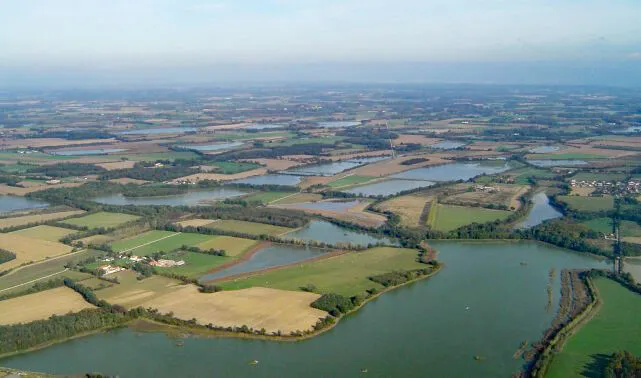
Ain: Bresse, Dombes and Pays de Gex
Discover the Ain: world-famous Bresse poultry, the thousand ponds of the Dombes, Pays de Gex facing Mont Blanc and the emerald gorges of Nantua. Complete guide.
 Regions
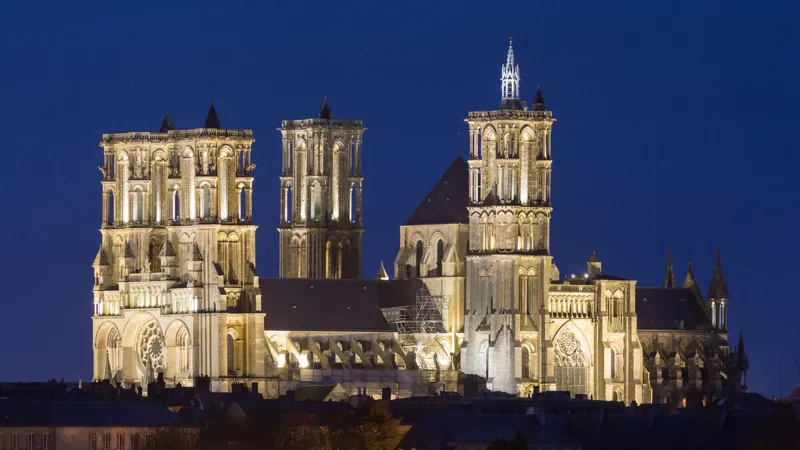
Aisne: Laon's Medieval Citadel and the Chemin des Dames
Discover the Aisne département: Laon's hilltop medieval city, the Chemin des Dames battlefields, Soissons, the Familistère de Guise and Champagne vineyards. Complete travel guide.