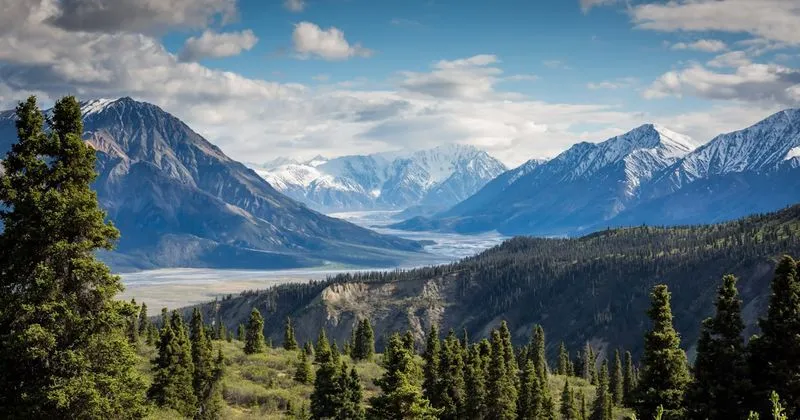
Haute-Marne does not court attention. There is no glittering coastline, no world-famous vineyard, no queue of tour buses. What it does have is a hilltop fortress city with some of the finest ramparts in France, foundries still practising the art of cast iron, and at the end of a country lane, the Charles de Gaulle Memorial at Colombey-les-Deux-Eglises. This is one of those corners of France where silence still has value.
Langres: A Fortified City Above the Plains
The Ramparts
Set on a limestone promontory 475 metres above sea level, Langres is one of the most impressive walled towns in France. Its ramparts, stretching 3.5 kilometres, are completely preserved and walkable along their entire length — a free, unique promenade that takes roughly ninety minutes. Seven towers, four monumental gates and panoramic views extending in every direction punctuate the circuit. On a clear day, you can see the foothills of the Jura and occasionally the first peaks of the Alps.
Within the walls, a web of medieval and Renaissance streets is lined with pale stone townhouses. The Cathedral of Saint-Mammes, built in a severe Burgundian Romanesque style, and the Place Diderot with its statue of the philosopher form the heart of the old city.
Diderot's Birthplace
Denis Diderot, co-founder of the Encyclopedie — the great Enlightenment project to catalogue all human knowledge — was born in Langres in 1713. The Maison des Lumieres Denis Diderot, a modern museum set within a 16th-century mansion, traces his life and encyclopaedic work through interactive displays and original editions. Admission is around 5 euros. Each summer, the Langres Philosophy Festival carries forward the spirit of its most famous son with public lectures and open debates.
Museum of Art and History
The Museum of Art and History, housed in the former Oratorian chapel, contains rich Gallo-Roman archaeological collections — Langres, known in antiquity as Andemantunnum, was the capital of the Lingones tribe. Paintings, faience ceramics and a section devoted to Langres cutlery, a centuries-old local craft, round out the displays. Admission is approximately 5 euros.
Colombey-les-Deux-Eglises
Thirty kilometres northwest of Langres, the small village of Colombey-les-Deux-Eglises is inseparable from the name of Charles de Gaulle. It was here that the general purchased the property of La Boisserie in 1934, where he retired after the war and where he died in 1970.
The Charles de Gaulle Memorial, opened in 2008, is a striking contemporary building shaped like a Cross of Lorraine, partially buried in the hillside. Across 4,000 square metres of exhibition space, it traces de Gaulle's life and legacy through audiovisual archives, personal belongings and immersive staging. Allow around two hours; admission is 15 euros. La Boisserie itself, preserved exactly as it was when the general died, can be visited separately. The monumental Cross of Lorraine in pink granite, visible for miles around, dominates the landscape and has become a national symbol.
Joinville and the Chateau du Grand Jardin
In the north of the department, Joinville is a small town of character that served as the stronghold of the Princes de Joinville, companions to King Louis IX on his crusades. The Chateau du Grand Jardin, a jewel of Champagne Renaissance architecture, is surrounded by formal French gardens that host a summer theatre and music festival. Entry to the chateau and gardens costs around 5 euros. The historic centre, with its half-timbered houses and Sainte-Anne Chapel, is worth an hour's gentle exploration.
Wassy: Where the Wars of Religion Began
On 1 March 1562, troops loyal to the Duke of Guise massacred a group of Protestants gathered in a barn at Wassy, igniting the Wars of Religion that tore France apart for nearly forty years. The Protestant Temple, rebuilt on the site of the massacre, and an adjacent museum recount this founding episode in French history. It is a sober, moving place, free to enter.
Ironworking Heritage
For centuries, the Haute-Marne was one of the heartlands of French metalworking. Local iron ore combined with charcoal from the surrounding forests fuelled a thriving foundry and forging industry whose legacy can still be read in the landscape.
The foundries of Dommartin-le-Franc and Doulevant-le-Chateau keep this tradition alive. Metallurgic Park at Dommartin-le-Franc, installed in a former blast furnace, offers an interactive trail through the history of iron and cast-iron production from antiquity to contemporary design. Haute-Marne cast ironwork adorns the Wallace fountains of Paris and the balconies of Haussmann-era buildings across the capital. Allow around 8 euros and two hours for the visit.
Lac de la Liez and Natural Spaces
A few kilometres from Langres, the Lac de la Liez is the department's largest lake. Its 290 hectares provide a peaceful setting for supervised swimming in summer, sailing, cycling around the shore (a 12-kilometre loop) and fishing. Access is free and a watersports centre offers equipment hire.
Further south, the Langres Plateau is an extraordinary zone of springs: the Marne, the Meuse and several tributaries of the Saone all rise here. The plateau's meadows and woodlands are threaded with quiet walking paths that offer a profound sense of remoteness.
Bourbonne-les-Bains
A thermal spa town recognised since Roman times, Bourbonne-les-Bains taps water at 66 degrees Celsius — one of the hottest natural springs in France. The spa specialises in rheumatology and respiratory treatments but also offers day wellness packages open to everyone, starting from around 30 euros. The casino park and the remains of the Roman baths lend this small spa town a pleasantly old-fashioned charm.
Practical Tips
When to Visit
Spring and early summer are the best seasons, with long days and comfortable temperatures. Autumn brings beautiful light over the forests and the Langres ramparts. Winter on the plateau can be harsh.
Getting There
Langres is roughly 2 hours 30 minutes from Paris by TGV East (Langres or Chaumont station, then a local connection). By car, allow three hours via the A5 and A31 motorways. A vehicle is essential for exploring the department.
Budget
Accommodation ranges from 40 to 70 euros per night for a budget hotel or quality campsite, 70 to 120 euros for a B&B or boutique hotel, and 120 to 200 euros for high-end establishments. A restaurant lunch costs 12 to 20 euros, dinner 20 to 35 euros. Local markets and picnics are an excellent way to eat well while keeping costs down. Many activities are free: hiking, village strolls, markets, churches. Paid museums and sites average 5 to 12 euros per person. To save money, book rural gites by the week, opt for weekday lunch menus, and take advantage of free tastings at local producers.
Explore on the map
Map →📚 Related collections
Related guides
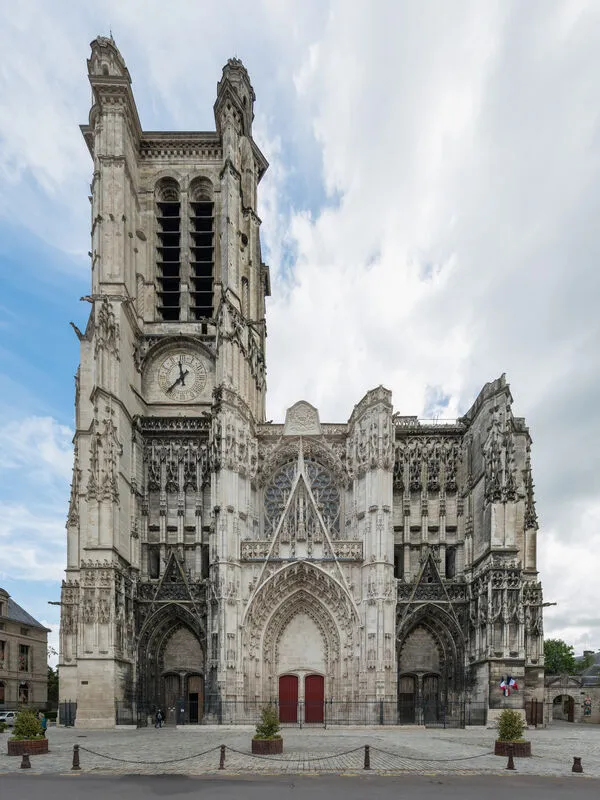 Heritage
Aube: Troyes and the Champagne Country
Discover the Aube department, from the magnificent medieval city of Troyes to the lakes of the Foret d'Orient, the Cote des Bar vineyards and Renoir's village at Essoyes.
 Heritage
Côte-d'Or: Dijon and the Route des Grands Crus
From ducal Dijon to the UNESCO-listed Route des Grands Crus, discover Côte-d'Or, its legendary vineyards, historic hospices and medieval villages in the heart of Burgundy.