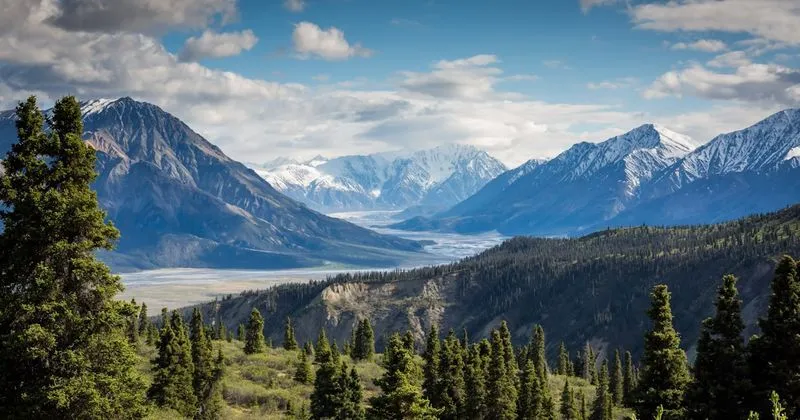
Dijon, the former capital of the Dukes of Burgundy, still wears the grandeur of its palaces and the appetite of its covered markets. But the true star of the Cote-d'Or is that thin strip of hillside between Gevrey-Chambertin and Meursault, where every plot of vine carries a name that makes wine lovers around the world tremble. Romanee-Conti, Clos de Vougeot, Corton-Charlemagne: nowhere on earth has terroir been so finely mapped or so fiercely guarded.
Dijon, Capital of the Dukes
The Palace of the Dukes and States of Burgundy
The beating heart of Dijon is the Palais des Ducs, an imposing architectural complex that blends medieval remains with classical additions. The Tour Philippe le Bon rewards those who climb its 316 steps with a sweeping panorama over the city's famous glazed-tile rooftops and, on clear days, all the way to the first ridges of the Jura mountains. The east wing houses the Musée des Beaux-Arts, one of the oldest and richest art museums in France — and admission is free. Do not miss the tombs of the Dukes of Burgundy, masterpieces of late Gothic sculpture, nor the fifteenth-century ducal kitchens, an atmospheric space that once served lavish banquets.
The Owl's Trail
To explore the historic centre without missing a single landmark, follow the Parcours de la Chouette (Owl's Trail), a marked circuit of twenty-two stops identified by arrows set into the pavement. It takes its name from the small owl carved into a buttress of the Church of Notre-Dame, which locals stroke with their left hand while making a wish. The trail winds through half-timbered streets, past Renaissance townhouses and ends at the Cathedral of Saint-Bénigne with its remarkable Romanesque crypt. Allow roughly ninety minutes for the full walk.
The Market Halls and Mustard
The Halles de Dijon, an iron-framed market hall built in the Eiffel tradition, host one of the finest food markets in France every Tuesday, Friday and Saturday. Cheese merchants, charcutiers, greengrocers and fishmongers create a spectacle of colour and flavour. A visit here is the perfect opportunity to taste authentic Dijon mustard, a tradition dating back to the fourteenth century. The Moutarderie Fallot in Beaune is the last producer to grind its mustard seeds with a traditional stone mill, and offers engaging guided tours that explain the craft in full.
A Student City with Contemporary Energy
Dijon is far from a museum piece. Home to a major university and several grandes écoles, the city pulses with youthful energy. The Cité internationale de la gastronomie et du vin, which opened in 2022 inside the former Dijon General Hospital, is a landmark cultural complex dedicated to the French gastronomic meal inscribed by UNESCO. It includes exhibition spaces, cooking workshops, a wine cellar featuring 250 Burgundy appellations, restaurants and a cinema. Allow at least half a day and budget around 12 euros for the main exhibition.
The Route des Grands Crus — UNESCO World Heritage
From Dijon to Santenay, a Mythic Vineyard
Inscribed on the UNESCO World Heritage list since 2015, the Climats of the Burgundy Vineyards form a mosaic of more than 1,200 precisely delimited plots shaped over centuries by monks, dukes and winemakers. The Route des Grands Crus meanders for roughly sixty kilometres between Dijon and Santenay, earning its reputation as the most celebrated wine road in France.
Gevrey-Chambertin, Clos de Vougeot, Nuits-Saint-Georges
The village of Gevrey-Chambertin opens the parade of illustrious appellations. Here you can taste powerful, structured Pinot Noir in family-owned cellars where time appears to stand still. Further south, the Château du Clos de Vougeot (around 9 euros admission) stands as the symbolic heart of Burgundy wine culture. Built by Cistercian monks in the twelfth century, it now serves as the headquarters of the Confrérie des Chevaliers du Tastevin. The visit reveals how monastic communities shaped these exceptional terroirs. Nuits-Saint-Georges, with its trading houses and vaulted cellars, completes this legendary trio.
Along the route, every village merits a stop: Chambolle-Musigny for the elegance of its wines, Vosne-Romanée for its almost mythic aura — this is where you will find the Romanée-Conti vineyard, source of the most expensive wine in the world.
Tasting Tips
Most estates offer tastings either free of charge or for a modest fee (5 to 15 euros for a flight of four to six wines). Booking ahead is strongly recommended for the most sought-after domaines, especially during harvest season in September and October. Wine-lovers will find specialist shops in Beaune and Dijon where prices are generally more favourable than abroad. A bottle of village-level Burgundy starts around 15 to 25 euros, while premier cru wines climb to 40 to 80 euros and beyond.
Beaune, Capital of Wines
The Hospices de Beaune
Beaune is the natural gateway to the vineyards. Its crowning jewel, the Hospices de Beaune (Hôtel-Dieu), is a masterwork of Flamboyant Gothic architecture, instantly recognisable by its polychrome glazed-tile roof. Founded in 1443 by Chancellor Nicolas Rolin to care for the sick and the destitute, it served as a working hospital until 1971. The visit (around 10 euros) takes you through the magnificent Grande Salle des Pôvres, the pharmacy with its Nevers faience jars, and the celebrated polyptych of the Last Judgement by Rogier van der Weyden — a painting of breathtaking detail and intensity.
Every third Sunday in November, the Hospices de Beaune wine auction is the most widely publicised wine event in the world, setting the tone for prices across the entire Burgundy vintage.
Exploring Beaune on Foot
Beyond the Hospices, Beaune rewards exploration. The ramparts walk circles the old town past medieval towers and manicured gardens. The Basilica of Notre-Dame, with its Romanesque nave and remarkable tapestries depicting the life of the Virgin Mary, is a quieter alternative to the Hospices. The Marché aux Vins, housed in a former church, offers a self-guided cellar tour where you can sample a wide selection of regional wines for around 15 euros.
Fontenay Abbey — UNESCO World Heritage
An hour north-west of Dijon, the Abbey of Fontenay is the oldest surviving Cistercian abbey in the world. A UNESCO site since 1981, it offers a pristine example of twelfth-century monastic architecture set in a secluded valley. The abbey church, cloister, chapter house, forge and formal gardens compose an ensemble of remarkable harmony and serenity. Budget approximately 11 euros and a good hour to appreciate the purity of these spaces — longer if you linger in the gardens, which are especially beautiful in late spring.
Hidden Villages and Secrets
Flavigny-sur-Ozerain
Perched on its rocky spur, Flavigny-sur-Ozerain is classified among the Most Beautiful Villages of France. Its cobbled lanes, medieval houses and Benedictine abbey form a setting seemingly untouched by time — the village famously served as the backdrop for the film Chocolat starring Juliette Binoche. The Anis de Flavigny factory, installed in the old abbey since 1591, still produces the tiny anise-flavoured dragées found in grocery shops across France. The factory visit is free.
Châteauneuf-en-Auxois
Overlooking the valley of the Burgundy Canal, Châteauneuf-en-Auxois is a fortified village whose medieval castle rises proudly above the plain. The views from the ramparts embrace a patchwork of hedgerows and fields that seems unchanged for centuries. The village shelters a handful of art galleries, artisan workshops and characterful bed-and-breakfasts, all wrapped in a tranquil atmosphere that feels worlds away from the bustling wine route.
Semur-en-Auxois
Often overlooked, Semur-en-Auxois is a gem of pink granite perched above a deep meander of the Armançon river. Its four massive round towers, collegiate church and narrow medieval streets make it one of the most photogenic small towns in Burgundy. The Thursday morning market brings the town to life with local produce, and the annual horse race through the streets — the oldest in France — draws crowds every May.
Practical Information
Getting there: Dijon is reachable from Paris in 1 hour 35 minutes by TGV. Direct trains also connect Lyon (2 hours) and Strasbourg (2.5 hours). The city has an efficient tramway and bus network for urban travel.
Getting around the vineyards: Cycling is the ideal way to explore the Route des Grands Crus. Several hire companies offer touring bikes and e-bikes from around 25 euros per day. The terrain is gently rolling and the distances between villages are short — perfect for combining exercise with wine tasting. For those who prefer driving, designated-driver services are available.
Best time to visit: Spring (April–June) and autumn (September–November) offer the finest conditions. Spring brings wildflowers and fresh green vines; autumn delivers golden light, grape harvests and the famous Hospices auction weekend. Summer can be hot and crowded, while winter is quiet but many smaller estates close their doors.
Budget tips: Museum entry in Dijon is largely free. Picnic supplies from the market halls are excellent and affordable. Many cellar visits are complimentary. A comfortable trip combining culture and wine can work well on a moderate budget — save your splurge for a memorable dinner at one of the region's Michelin-starred restaurants, where menus start from around 45 euros.
Explore on the map
Map →📚 Related collections
Related guides
 Heritage
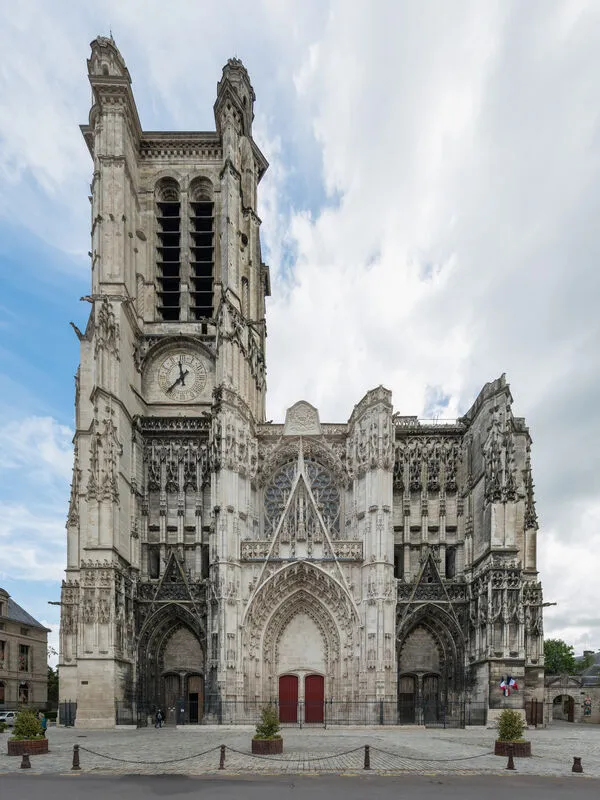
Aube: Troyes and the Champagne Country
Discover the Aube department, from the magnificent medieval city of Troyes to the lakes of the Foret d'Orient, the Cote des Bar vineyards and Renoir's village at Essoyes.
 Heritage
Haute-Marne: Langres and Industrial Heritage
Explore the Haute-Marne department, from the ramparts of Langres and Diderot's birthplace to the de Gaulle memorial at Colombey, ironwork heritage, lakes and the Bourbonne-les-Bains spa.