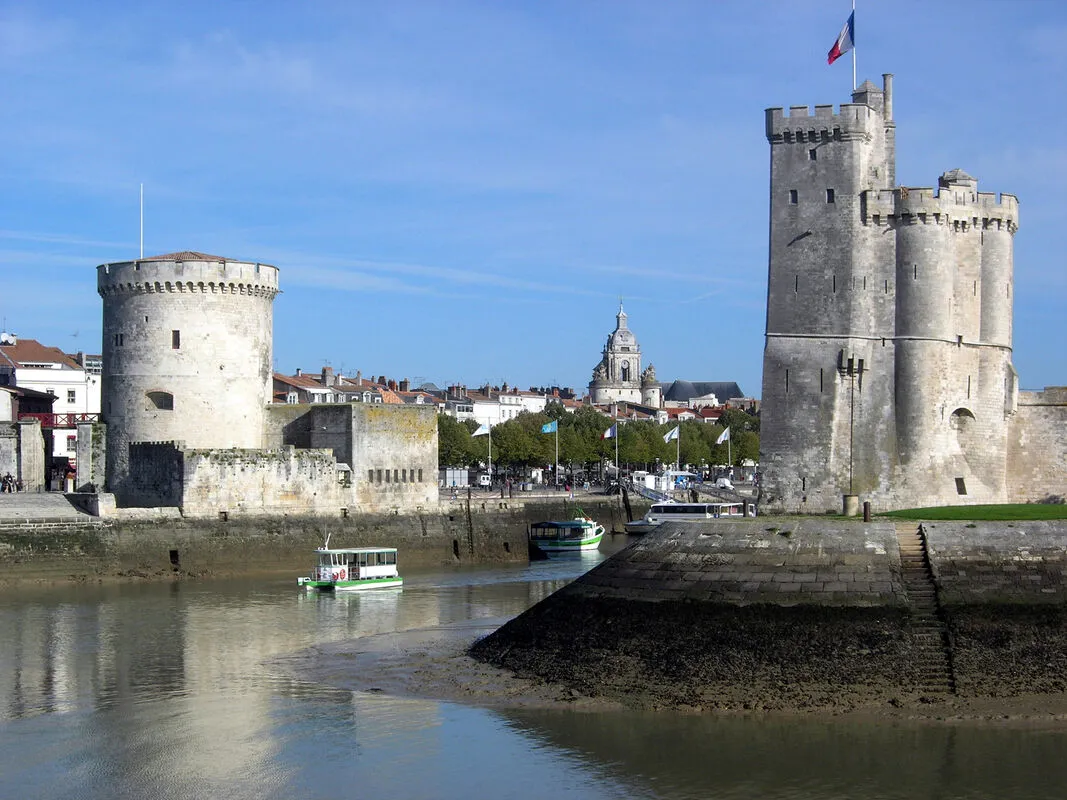
With over 2,600 hours of sunshine a year, Charente-Maritime is the sunniest department on the French Atlantic coast. La Rochelle's medieval towers guard the harbour entrance, the Ile de Re is best explored by bicycle between hollyhocks and salt marshes, Royan showcases striking 1950s architecture facing the Gironde estuary, and everywhere the briny scent of the Marennes-Oleron oyster beds fills the air.
La Rochelle: Pearl of the Atlantic
The Old Port and the Towers
La Rochelle is one of the most appealing cities on the French Atlantic coast. Its Vieux Port (Old Port), framed by three medieval towers, is the vibrant heart of the city. The Tour Saint-Nicolas and the Tour de la Chaîne, once linked by a heavy chain stretched across the harbor mouth, can be visited on a combined ticket for about 9 euros covering all three towers. From the top, the view over the port, the slate rooftops and the open sea is magnificent. The arcaded streets of the city center, a legacy of Protestant merchants, shelter cafés, bookshops and independent boutiques.
The Aquarium
The Aquarium de La Rochelle, one of the largest private aquariums in Europe, displays more than 12,000 marine creatures in reconstructed ecosystems ranging from the Atlantic to tropical reefs. The visit takes approximately two hours. Adult admission is about 17 euros. Book online to skip the queues in summer.
Everyday Life
La Rochelle is a city made for walking and cycling. The covered market, open every morning, sells fresh fish, oysters, goat cheese and Pineau des Charentes. In the evening, the terraces lining the Old Port come alive with the sound of guitars and the clinking of rigging. This is a city where rushing feels wrong.
Île de Ré: A Cycling Paradise
Exploring by Bike
Île de Ré is connected to the mainland by a graceful 2.9-kilometer bridge (toll about 8 euros in summer for cars; free for bikes and pedestrians). Thirty kilometers long and no more than five kilometers wide, the island is best explored by bicycle along 110 kilometers of flat, well-marked cycle paths that wind through salt marshes, vineyards and whitewashed villages with green shutters. Bike rental costs approximately 10 to 15 euros per day.
Villages and Heritage
Ars-en-Ré, with its black-and-white church spire that once served as a navigation mark for sailors, is the most photogenic of the island's villages. Saint-Martin-de-Ré, fortified by Vauban and inscribed on the UNESCO World Heritage List, has a lively harbor where visitors eat artisanal ice cream while watching the boats. La Flotte boasts a charming medieval market.
Phare des Baleines
At the western tip of the island, the Phare des Baleines (Lighthouse of the Whales) rewards the 257-step climb with a 360-degree panorama. Entry is about 4 euros. The name refers to the whales that once washed ashore on this coast. The wild beaches nearby, open to the Atlantic swell, contrast with the sheltered swimming beaches on the southern shore.
Salt Marshes
The salt marshes of Île de Ré, concentrated around Loix and Ars-en-Ré, have been worked by hand for centuries. Guided visits (about 5 to 8 euros) explain the saunier's craft and allow visitors to taste fleur de sel harvested by hand. This is a quiet, meditative activity, best enjoyed in late afternoon when the golden light plays across the shallow basins.
Île d'Oléron and the Oysters
Marennes-Oléron: Oyster Capital
Île d'Oléron, connected to the mainland by a toll-free bridge, is larger and less fashionable than Île de Ré. Its oyster-farming tradition runs deep. The Marennes-Oléron basin produces the majority of oysters consumed in France. Oyster shacks in La Tremblade and Le Château-d'Oléron open their doors for on-the-spot tastings: expect to pay about 8 to 12 euros for a dozen, served with buttered bread and a glass of cold white wine.
Fort Boyard
The famous Fort Boyard, built offshore between Oléron and Île d'Aix, cannot be visited inside but can be admired from the beaches of Oléron or on boat cruises (about 20 to 30 euros, lasting two hours). Made world-famous by the television game show, the fortress is particularly photogenic at sunset.
Rochefort: City of the Navy
The Corderie Royale and the Hermione
Rochefort is a planned arsenal city founded by Colbert in 1666 to give France a powerful navy. The Corderie Royale, a 374-meter-long building where rope was once made for the fleet, now serves as a cultural center. The most spectacular project in Rochefort is the faithful reconstruction of the Hermione, the frigate that carried Lafayette to America in 1780. Visiting the ship and the shipyard costs approximately 16 euros and takes about 90 minutes. It is a fascinating voyage into France's maritime past.
Saintes and the Roman Legacy
The Amphitheatre and the Arch of Germanicus
Saintes, once the capital of the Roman province of Aquitaine, preserves a remarkable ancient heritage. The Gallo-Roman amphitheatre, carved into a hillside, once held 15,000 spectators and remains impressive today. Access is free. The Arch of Germanicus, rescued from demolition in the nineteenth century, once marked the entrance to the Roman city. The Abbaye aux Dames, founded in 1047, now hosts acclaimed music seasons in an exceptional Romanesque setting.
Royan and Brouage
Royan, destroyed in 1945 and rebuilt in a bold modernist style, surprises visitors with its striking 1950s architecture, most notably the reinforced-concrete church of Notre-Dame. Its sandy beaches, particularly the Grande Conche, make it a popular family resort. Further south, the small fortified town of Brouage, a former military port now slumbering among the marshes, feels suspended in time. Its intact ramparts can be walked in about an hour. Access is free.
Practical Tips
- When to go: June and September are ideal — generous sunshine, mild temperatures, moderate visitor numbers. July and August are lively but crowded on the islands.
- Getting around: La Rochelle is two hours and fifty minutes from Paris by TGV. Cycling is the best way to explore Île de Ré. A car is useful for Oléron, Rochefort and Saintes.
- Budget: Expect 80 to 140 euros per night (higher on the islands in summer), 15 to 25 euros for a restaurant lunch, 4 to 17 euros for attraction entry fees.
- How long: Allow 5 to 7 days for a thorough visit. Two days for La Rochelle, two days for Île de Ré, one day for Rochefort and one day for Saintes and Royan.
- Do not miss: A full-day bike loop around Île de Ré, oysters in a shack on Oléron, the Hermione in Rochefort, and sunset from the Phare des Baleines.
Explore on the map
Map →📚 Related collections
Related guides
 Regions
Ain: Bresse, Dombes and Pays de Gex
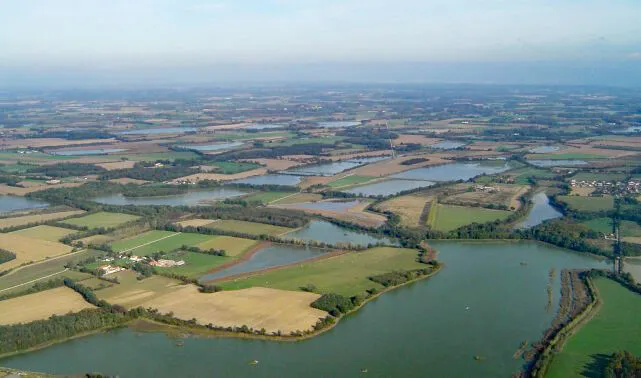
Discover the Ain: world-famous Bresse poultry, the thousand ponds of the Dombes, Pays de Gex facing Mont Blanc and the emerald gorges of Nantua. Complete guide.
 Regions
Aisne: Laon's Medieval Citadel and the Chemin des Dames
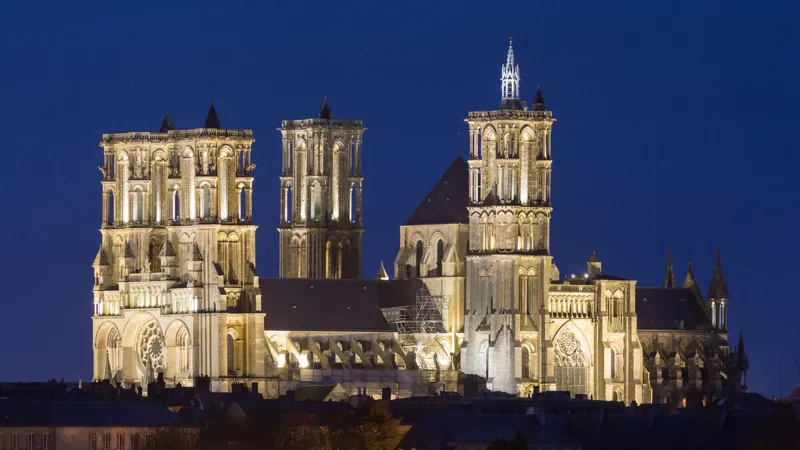
Discover the Aisne département: Laon's hilltop medieval city, the Chemin des Dames battlefields, Soissons, the Familistère de Guise and Champagne vineyards. Complete travel guide.