The cloister at Moissac, a masterpiece of Romanesque sculpture, is among the finest in the world. Its 76 historiated capitals, carved nearly a thousand years ago, tell the Bible with an expressiveness that leaves visitors speechless. Tarn-et-Garonne, the smallest department of the former Midi-Pyrenees, compensates for its modest size with the density of its heritage and the generosity of its orchards -- Moissac Chasselas grapes, melons, apples, plums.
Montauban: The Overlooked Pink City
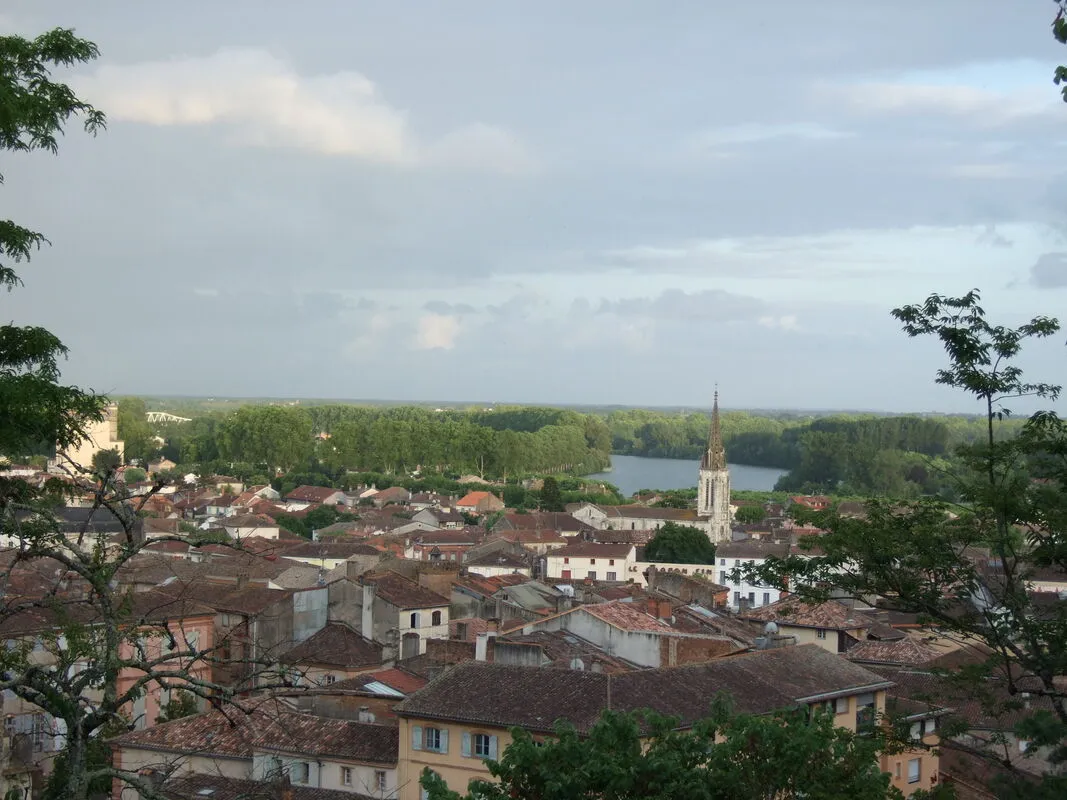
Montauban, préfecture of Tarn-et-Garonne, is often overshadowed by neighbouring Toulouse, yet this pink-brick town founded in 1144 (one of the earliest bastides in south-west France) possesses a charm and cultural richness that deserve a visit.
The Musée Ingres Bourdelle
The Musée Ingres Bourdelle, housed in the former bishop's palace overlooking the Tarn, holds the most important collection of works by Jean-Auguste-Dominique Ingres, a Montauban native and master of French Neoclassicism. More than 4,000 drawings and some forty paintings, including the famous "Jesus Among the Doctors" and "The Dream of Ossian," are displayed in recently renovated galleries. The museum also contains a remarkable holding of sculptures by Antoine Bourdelle, another Montauban son, including studies for his Herakles the Archer. Entry costs about 8 euros and the visit takes 1.5 to 2 hours. The basement reveals remains of the medieval castle of the Counts of Toulouse, including the Black Prince's hall.
The Place Nationale
The Place Nationale, the heart of the bastide, is a unique double arcaded square, rebuilt in pink brick after two seventeenth-century fires. Its covered galleries with round arches shelter shops and cafés where lingering is a pleasure. The Saturday morning market, under the arcades and on neighbouring squares, is an unmissable food rendezvous offering local produce: Moissac chasselas, Quercy melons, goat's cheese, prunes and foie gras. The square is particularly beautiful in the evening light, when the brick takes on golden hues.
The Pont Vieux and the Quays
The Pont Vieux, a fourteenth-century fortified bridge spanning the Tarn, is one of the few medieval bridges still standing in France. Its seven pink-brick arches and watchtower offer one of the finest panoramas in the town. The Tarn quays, recently landscaped, invite a riverside stroll with views of the bishop's palace and the pink façades of the town.
Moissac: The UNESCO Abbey
Moissac is one of the great centres of Romanesque art in Europe. Its Abbey of Saint-Pierre, a major stop on the Way of Saint James, is inscribed on the UNESCO World Heritage list for the exceptional quality of its Romanesque sculpture.
The South Portal Tympanum
The south portal tympanum, carved around 1130, is considered one of the absolute masterpieces of Romanesque art. It depicts the Vision of the Apocalypse according to Saint John: Christ in Majesty surrounded by the tetramorph (the four symbols of the Evangelists), the 24 Elders of the Apocalypse playing music, and seraph angels. The finesse of the carving, the rhythm of the drapery and the expressiveness of the faces reach a summit never equalled in medieval art. The central trumeau, adorned with interlocking lions, and the jambs bearing figures of Saint Peter and the prophet Isaiah are masterworks of virtuosity. Access to the portal is free and contemplating this work is an unforgettable experience.
The Cloister
The cloister of Moissac, completed in 1100, is the oldest surviving Romanesque cloister in France. Its 76 carved marble capitals, alternating biblical scenes, floral motifs and animal representations, are of exceptional variety and quality. Each capital tells a different story: the sacrifice of Abraham, Daniel in the lions' den, the Annunciation, birds drinking from a fountain. The corner pillars bear bas-reliefs depicting the apostles. Entry to the cloister costs about 7 euros and the guided tour, highly recommended, lasts 1 hour. An audioguide is available in several languages.
Chasselas de Moissac
Moissac is also the capital of chasselas, a golden table grape with AOC status since 1971, the first AOC ever awarded to a fruit in France. Grown on south-facing clay-limestone slopes, Moissac chasselas is distinguished by its thin skin, translucent golden berries and delicately sweet, musky flavour. The chasselas festival in September celebrates the harvest with tastings, markets and festivities. A bunch costs about 4 to 6 euros per kilogram at local markets.
The Aveyron Gorges
The Aveyron gorges, in the north-east of the département, form a spectacular landscape of limestone cliffs, oak forests and medieval villages perched above the river.
Saint-Antonin-Noble-Val
Saint-Antonin-Noble-Val, nestled in a bend of the Aveyron beneath towering cliffs, is a remarkably preserved medieval village. Its town hall, dating from 1125, is considered one of the oldest civic buildings in France. The village, with its winding lanes, jettied houses and twin-arched windows, takes 1 to 2 hours to explore. The Sunday morning market, one of the finest in the region, draws food lovers with exceptional farm produce. Saint-Antonin is also a prime spot for canoeing and kayaking in the gorges (hire from 18 euros per half-day) and rock climbing on the surrounding limestone cliffs.
Bruniquel
Bruniquel, listed among the Most Beautiful Villages in France, occupies a spectacular rocky spur at the confluence of the Aveyron and Vère rivers. Its two stacked castles, the thirteenth-century "old castle" and the sixteenth-century "young castle," offer a dizzying panorama across the gorges. Entry costs about 5 euros and the visit takes 1 hour. The village is also famous for the Bruniquel cave, where stalagmite constructions 176,500 years old, the oldest known structures built by humans (Neanderthals), were discovered. The cave is not open to the public but an interpretation space in the castle recounts this exceptional find.
Penne and Caylus
Penne, clinging beneath the dramatic ruins of its castle that seems to melt into the cliff, is a vertiginous village dominating the gorges. The castle, undergoing participatory restoration, can be visited in summer (about 6 euros). Further north, Caylus, with its medieval market hall and a church holding a Christ sculpted by Zadkine, is a characterful bastide worth a stop.
Caussade and Hat-Making
Caussade, a small town between Montauban and the Quercy, has been the French capital of straw hats since the eighteenth century. The Musée du Chapeau, housed in a former hat factory, traces the history of this craft with collections from every era and style. Entry costs about 4 euros and the visit takes 45 minutes. Workshops allow visitors to discover the gestures of the hat-makers. Caussade also has a pleasant medieval centre with half-timbered houses.
Auvillar: A Bastide on the Garonne
Auvillar, listed among the Most Beautiful Villages in France, is a bastide perched on a promontory above the Garonne. Its circular market hall with Tuscan columns, unique in France, occupies the centre of a triangular arcaded square. The former river port testifies to the past importance of Garonne trade. The village, a stop on the Way of Saint James, takes 1 hour to explore and offers splendid views across the Garonne valley and the Lomagne hills.
Tarn-et-Garonne Gastronomy
The cuisine of Tarn-et-Garonne sits at a crossroads of south-western flavours. Moissac chasselas, Quercy melon (PGI), plums and prunes (the neighbouring Agenais influences the orchards) and black truffle from the Quercy Blanc form an exceptional terroir. Duck in all its forms (confit, magret, foie gras) is ever-present. Poule au pot, the boiled-chicken dish beloved of Henri IV (a native of the region), remains a family-table classic. Summer farmers' markets, held in abundance, allow you to assemble entire meals from local produce. Allow 20 to 35 euros for a full meal in a traditional restaurant.
Practical Tips
Getting Around
Montauban is 50 minutes from Toulouse via the A62 motorway and served by TGV on the Paris-Toulouse line (Montauban-Ville-Bourbon station). Moissac is 30 minutes from Montauban. A car is needed for the Aveyron gorges and perched villages. Roads are pleasant and distances short.
Best Time to Visit
April to October is ideal. Spring is mild and flower-filled. Summer, hot, is the season for farmers' markets and swimming in the Aveyron. Autumn brings the chasselas harvest, the first truffles and magnificent colours in the gorges. The "Les Voix du Prieuré" festival in Moissac enlivens the summer music scene.
Budget
Accommodation ranges from 40 to 70 euros per night for a budget hotel or quality campsite, 70 to 120 euros for a B&B or boutique hotel, and 120 to 200 euros for high-end establishments. A restaurant lunch costs 12 to 20 euros, dinner 20 to 35 euros. Local markets and picnics are an excellent way to eat well while keeping costs down. Many activities are free: hiking, village strolls, markets, churches. Paid museums and sites average 5 to 12 euros per person. To save money, book rural gites by the week, opt for weekday lunch menus, and take advantage of free tastings at local producers.
Explore on the map
Map →📚 Related collections
Related guides
 Regions
Ain: Bresse, Dombes and Pays de Gex
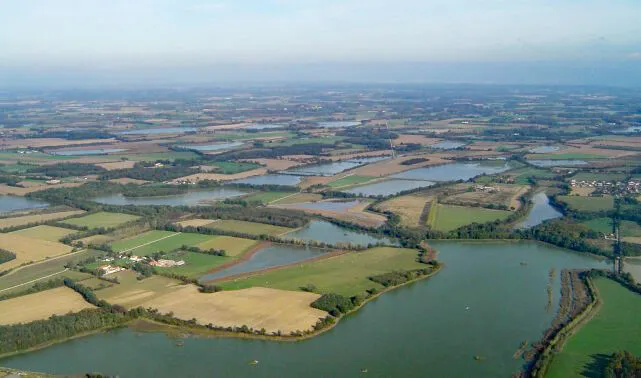
Discover the Ain: world-famous Bresse poultry, the thousand ponds of the Dombes, Pays de Gex facing Mont Blanc and the emerald gorges of Nantua. Complete guide.
 Regions
Aisne: Laon's Medieval Citadel and the Chemin des Dames
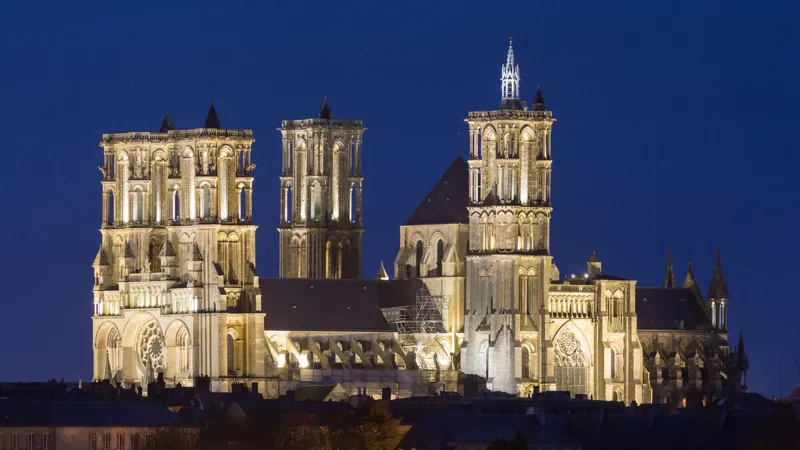
Discover the Aisne département: Laon's hilltop medieval city, the Chemin des Dames battlefields, Soissons, the Familistère de Guise and Champagne vineyards. Complete travel guide.