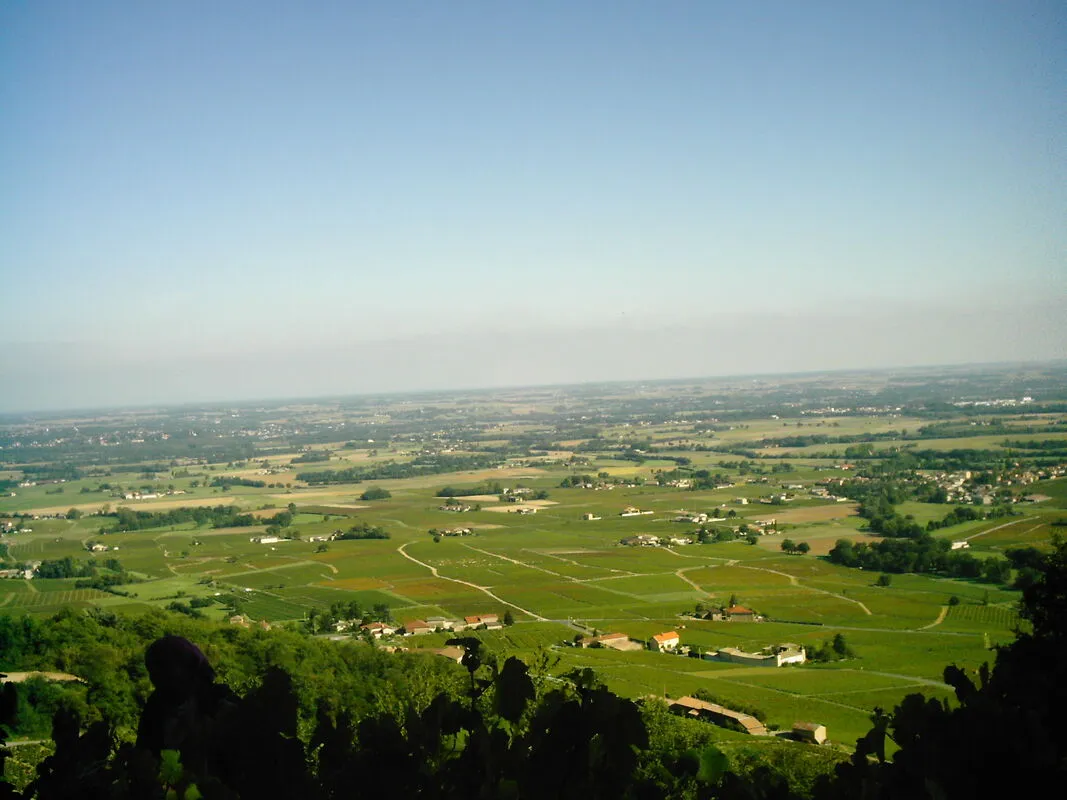
Beaujolais is far more than 'le Beaujolais nouveau est arrive'. This vineyard, whose ten crus -- Morgon, Fleurie, Moulin-a-Vent -- rank among the best value wines in France, extends north of Lyon across golden hills that autumn transforms into Impressionist paintings. The Rhone department, beyond its famous capital, amply deserves separate exploration.
Beaujolais, Far More Than Nouveau
A Vineyard of Character
Beaujolais is one of the most endearing wine regions in France, and yet one of the most misunderstood. Damaged by the excessive hype around Beaujolais Nouveau in the 1980s and 1990s, the region long suffered from a reductive image. Forget the cliches: Beaujolais has ten crus (Morgon, Fleurie, Moulin-a-Vent, Brouilly, Cote de Brouilly, Chenas, Chiroubles, Julienas, Saint-Amour and Regnie) that produce gamay wines of remarkable complexity and elegance, capable of ageing ten years and more.
The vineyard divides into two distinct zones: in the north, the Beaujolais crus on granite soils produce the finest wines; in the south, the Beaujolais des Pierres Dorees on limestone gives lighter, fruitier wines. Both deserve exploration, as they offer very different landscapes and atmospheres.
The Crus Route
The Beaujolais crus route winds between vine-covered hills, linking characterful wine villages. Essential stops include:
- Fleurie, whose name alone evokes the grace of its floral, fruity wines. The cooperative tasting cellar on the village square offers guided tastings from 5 euros.
- Moulin-a-Vent, the most powerful and age-worthy cru, which sometimes rivals neighbouring Burgundies. The historic windmill overlooking the vines is a fine viewpoint.
- Morgon, renowned for its structured, assertive wines and the legendary Cote du Py vineyard on decomposed schist.
- Brouilly and Cote de Brouilly, whose vines climb the slopes of Mont Brouilly. The chapel at the summit offers a splendid panorama of the entire vineyard.
Villefranche-sur-Saone, Capital of Beaujolais
Villefranche-sur-Saone is the sub-prefecture of the Rhone and the historic capital of Beaujolais. Its Rue Nationale, one of the longest shopping streets in France, is lined with Renaissance houses hiding remarkable inner courtyards. Push through the carriage doors to discover spiral staircases, arcaded galleries and hidden gardens.
The church of Notre-Dame-des-Marais blends Romanesque and Flamboyant Gothic with a surprisingly ornate facade. The Musee Paul-Dini, devoted to regional fine arts from the nineteenth and twentieth centuries, is a rewarding discovery (entry around 6 euros).
Every last Saturday of November, Villefranche celebrates the Sarmentelles, the festive launch of Beaujolais Nouveau, with midnight barrel-tapping, street performances and tastings across the town.
The Pierres Dorees, Beaujolais Tuscany
Honey-Coloured Villages
The Pays des Pierres Dorees is the southern part of Beaujolais, where buildings of ochre limestone give villages a golden glow that blazes at sunset. The area is nicknamed "France's little Tuscany," and the comparison holds: vine-planted hillsides, perched villages, cypresses and warm light combine into landscapes of serene beauty.
Villages not to miss:
- Oingt, listed among the Plus Beaux Villages de France, perched on a hill with a 360-degree view of the vineyards. Its medieval lanes, tower and artisan workshops reward a lingering visit.
- Ternand, a fortified village whose church contains remarkable medieval frescoes.
- Theize, where the Chateau de Rochebonne overlooks an amphitheatre of vines. The chateau houses a tasting cellar.
- Chazay-d'Azergues, with its medieval castle and golden-stone houses along the river.
The Chateau de Bagnols
The Chateau de Bagnols, converted into a five-star luxury hotel, is one of the finest examples of golden-stone architecture. Even without staying (rooms from 400 euros per night), you can admire its exterior from the village and dine at the gastronomic restaurant (lunch menu from 55 euros) in an exceptional Renaissance setting.
The Monts du Lyonnais
A Green Hinterland
The Monts du Lyonnais rise to the west of Lyon, forming a barrier of wooded hills peaking at around 900 metres. This middle-mountain country, straddling the Rhone and Loire departments, is a preserved rural world just 30 minutes from the Lyon metropolis. Meadows, fir forests, granite hamlets and winding lanes create a landscape more reminiscent of the Massif Central than the Rhone valley.
Hiking and Cycling
The Monts du Lyonnais are criss-crossed by marked hiking trails and quiet roads that make them a paradise for walkers and cyclists. The GR 7 long-distance path runs through the area from north to south. The modest but regular cols (Col de la Luere, Col de Malval, Col des Brosses) attract road cyclists training on uncrowded roads with panoramic views of the Forez plain and the Alps.
In winter, when snow dusts the summits, cross-country ski trails and snowshoe routes open around Sainte-Catherine and the Hauts du Lyonnais.
Cherries and Local Gastronomy
The Monts du Lyonnais are renowned for their cherries, cultivated for centuries on sheltered hillsides. In June, the fruit-laden trees give the hills a festive air, and direct farm sales let you taste rare varieties (burlat, summit, reverchon). The Fete de la Cerise in Bessenay draws food lovers every year.
Local gastronomy centres on farm produce: fresh goat cheeses, artisan charcuterie (rosette, dry sausage), apple juice and cider from mountain orchards. Farm-inns in the Monts du Lyonnais serve copious, authentic meals (set menu from 20 euros).
Rhone Food and Drink
Beyond its wines, the Rhone department is a territory of outstanding gastronomy:
- Cervelle de canut, beaten fresh cheese with herbs, shallots and cream -- a Lyon speciality found across the department
- Saucisson de Lyon, a boiling sausage (also called "jesus"), often studded with pistachios
- Bugnes, light and crispy Carnival fritters
- Gateau de foies de volaille, a classic Lyon starter of poultry-liver cake served with tomato or Nantua sauce
- Beaujolais in all its forms, from ambitious crus to the cheerful pot beaujolais served at bar counters
Practical Tips
When to Visit
Spring (April to June) is glorious for vineyards in bloom and cherry season. Summer is hot but pleasant in the Monts du Lyonnais. Autumn (September to October) is harvest time and the vines turn spectacular colours. The last weekend of November is essential for the Beaujolais Nouveau launch.
Getting Around
Villefranche-sur-Saone is 30 minutes from Lyon by regional train or the A6 motorway. The Monts du Lyonnais are 30 to 45 minutes from Lyon by departmental roads. A car is essential for the crus route and the Monts du Lyonnais. Arrange a designated driver if you plan to chain tastings.
How Long to Stay
Allow 3 to 4 days: the Beaujolais crus route (1 to 2 days), the Pierres Dorees and Villefranche (1 day), the Monts du Lyonnais (1 day).
Budget
Accommodation ranges from 50 to 80 euros per night for a budget hotel, 80 to 130 euros for a B&B or charming hotel, and 130 to 220 euros for upscale options. A restaurant lunch runs 14 to 22 euros, dinner 25 to 40 euros. Local farmers' markets provide excellent produce for picnics at reasonable prices. Hiking, village exploration and most churches are free. Paid sites and museums cost 6 to 15 euros per person. To keep costs in check, look for weekday set-lunch menus, stay in rural gites or quality campsites, and enjoy the free tastings many local producers offer.
Explore on the map
Map →📚 Related collections
Related guides
 Regions
Ain: Bresse, Dombes and Pays de Gex
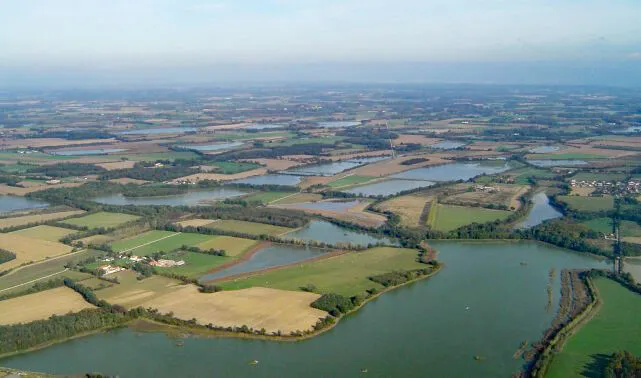
Discover the Ain: world-famous Bresse poultry, the thousand ponds of the Dombes, Pays de Gex facing Mont Blanc and the emerald gorges of Nantua. Complete guide.
 Regions
Aisne: Laon's Medieval Citadel and the Chemin des Dames
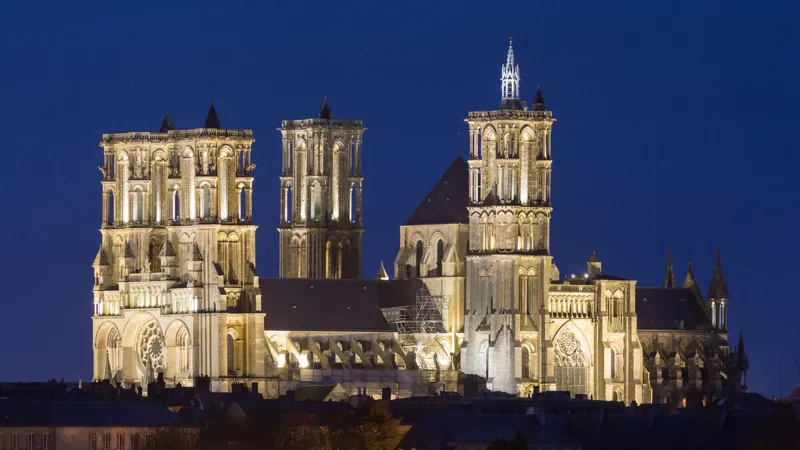
Discover the Aisne département: Laon's hilltop medieval city, the Chemin des Dames battlefields, Soissons, the Familistère de Guise and Champagne vineyards. Complete travel guide.