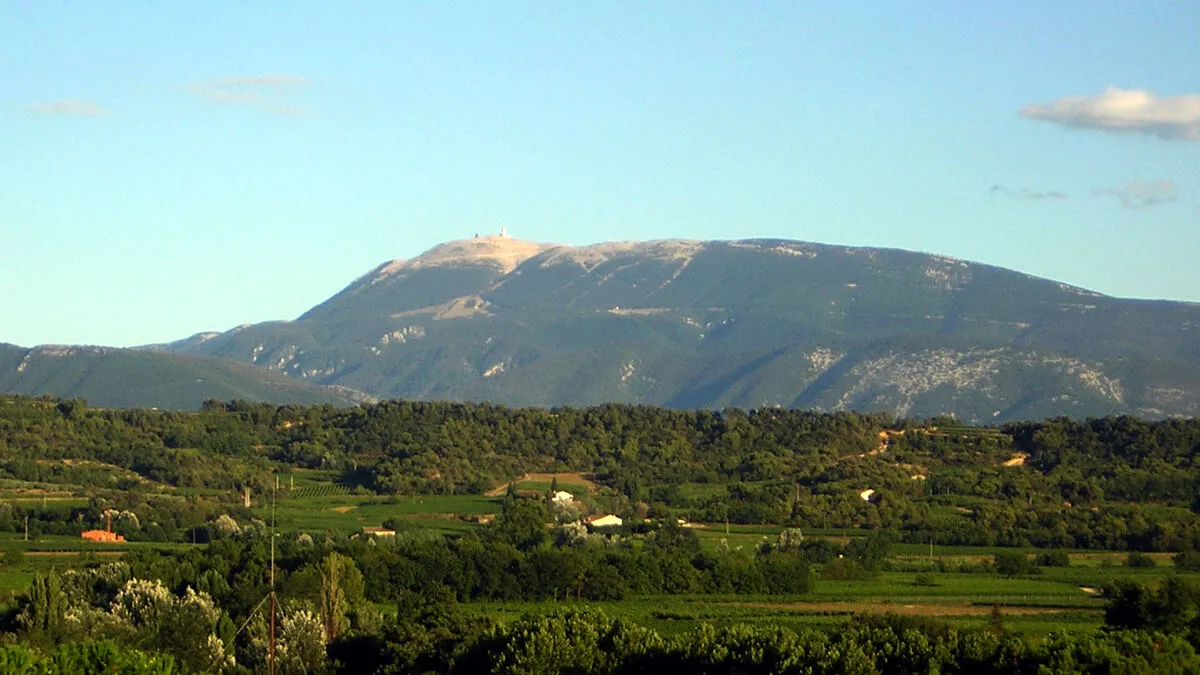
The bald, white silhouette of Mont Ventoux dominates the Vaucluse like a lighthouse. Below, everything is Provencal sweetness: Luberon villages with blue shutters perched on hillsides, Chateauneuf-du-Pape vines ripening on their round pebbles, Isle-sur-la-Sorgue markets where antique dealers compete with greengrocers. If one department had to distill the magic of Provence, the Vaucluse would be a serious contender.
Avignon: City of the Popes
For almost a century in the 1300s, Avignon served as the seat of the papacy. That period left behind colossal monuments and an ambition that still shapes the city's cultural life today.
The Papal Palace
The Palais des Papes is the largest Gothic palace ever built, a fortress-residence whose sheer scale conveys the power and wealth of the medieval papacy. Grand reception halls, chapels adorned with fourteenth-century frescoes by Matteo Giovannetti, and monumental kitchens fill a visit of 90 minutes to 2 hours. Entry costs about 12 euros (combined ticket with the bridge at 14.50 euros). The Histopad, an augmented-reality tablet included in the ticket, reconstructs vanished furnishings and makes the visit remarkably immersive. Every summer, the palace's Cour d'Honneur hosts flagship shows of the Festival d'Avignon, one of the world's premier performing-arts events.
The Bridge and the Ramparts
The Pont Saint-Bénézet, known worldwide from the children's song, retains only four of its original twenty-two arches. Walking across the remaining span offers a striking perspective on the Rhône, the palace and the distant hills. The medieval ramparts encircling the old town stretch 4.3 kilometres and make for a pleasant walk. Finish at the Rocher des Doms, a clifftop garden above the river, where the view sweeps from the bridge to Mont Ventoux and the Alpilles.
Mont Ventoux: The Giant of Provence
At 1,912 metres, Mont Ventoux towers above the Vaucluse plain. Its bare, white summit, often mistaken for snow, is actually a lunar landscape of limestone scoured by the mistral wind. Designated a UNESCO Biosphere Reserve, the mountain shelters exceptional biodiversity, from Mediterranean holm oaks at its base to alpine plants on its peak.
Cycling the Giant
The Ventoux is a legend in professional cycling. Three roads climb to the summit: from Bédoin on the south (the hardest, with 1,600 metres of elevation gain over 21 km), from Malaucène on the north (steady gradients, more shade) and from Sault on the east (the most gradual). A fit cyclist can reach the top from Bédoin in roughly two hours. Bike hire shops in Bédoin and Malaucène rent road bikes from about 40 euros per day. Non-cyclists can drive to the summit (road closed in winter). On a clear day, the view from the top reaches the Mediterranean to the south and the Alps to the north-east.
Luberon Villages
The Parc Naturel Régional du Luberon is scattered with golden-stone villages perched on hillsides, surrounded by vineyards, olive groves and lavender.
Gordes and Roussillon
Gordes, its dry-stone houses cascading down a hillside above a valley of olive trees, is the most photographed village in the Luberon. The Renaissance château houses a museum space (entry 6 euros). Nearby, the Village des Bories (entry 6 euros) gathers restored dry-stone huts dating from the seventeenth to the nineteenth century. Roussillon, built on blazing ochre cliffs that shift from scarlet to gold, offers a chromatic experience unlike anywhere else in Provence. The Sentier des Ocres (Ochre Trail, entry 3.50 euros) winds through former quarries sculpted into flame-coloured pillars and arches. Allow 45 minutes for the full loop.
Bonnieux and the Market Circuit
Bonnieux, perched on a spur of the Luberon ridge, rewards the climb to its upper church with a sweeping view across the valley to Mont Ventoux. The village houses a small Bakery Museum (entry 4 euros) that testifies to the importance of bread in Provençal culture. The roads linking the villages pass through landscapes of vines and cherry orchards that are reason enough to visit. Every village has its market day: Sunday in L'Isle-sur-la-Sorgue, Friday in Lourmarin, Saturday in Apt.
Fontaine-de-Vaucluse
Fontaine-de-Vaucluse is home to one of the most powerful natural springs on the planet. The Sorgue river surges from the foot of a sheer 230-metre cliff at an average rate of 630 million litres per day. The site is most spectacular in spring, when snowmelt swells the source into cascades of intense emerald green. A footpath follows the river upstream from the village to the abyss in about 20 minutes. The Moulin à Papier Vallis Clausa (free entry) keeps alive the valley's medieval papermaking tradition with live demonstrations. The poet Petrarch lived here in the fourteenth century, and a small museum is dedicated to him (entry 3.50 euros).
Orange and the Roman Legacy
Orange holds two UNESCO World Heritage monuments: the Roman theatre and the triumphal arch.
The Antique Theatre
The Théâtre Antique d'Orange is the best-preserved Roman theatre in existence. Its stage wall rises 37 metres and has stood intact since the first century — Louis XIV called it "the finest wall in my kingdom." Entry costs about 11 euros and includes an audio guide. The Chorégies d'Orange, one of the oldest opera festivals in the world (founded in 1869), fill the theatre with lyric performances every July and August, exploiting acoustics that modern engineers can only envy. The triumphal arch at the northern entrance to the city, richly carved with military and naval scenes, dates from the same era.
Châteauneuf-du-Pape and Wine
Twenty minutes north of Avignon, Châteauneuf-du-Pape is one of France's most prestigious wine appellations. The village, crowned by the ruins of the popes' summer castle, sits amid vineyards planted on large rolled pebbles that store the sun's heat and radiate it back to the grapes at night. Over 30 estates offer tastings, many free of charge. The Musée du Vin Brotte (free entry) traces the history of the appellation. The powerful Grenache-based reds are the stars, but the rare whites deserve attention too. A tasting circuit visiting three or four domaines can be completed in a leisurely afternoon.
L'Isle-sur-la-Sorgue
L'Isle-sur-la-Sorgue is the antiques and brocante capital of Provence. The crystalline Sorgue flows through the town in several arms, still turning mossy waterwheels that once powered silk and paper mills. The Sunday market is one of the most celebrated in the Midi, combining fresh produce stalls with antique dealers. The major international brocante weekends at Easter and on August 15 draw thousands of collectors from across Europe. In summer, a canoe descent of the Sorgue from Fontaine-de-Vaucluse to L'Isle is a gentle 2-hour paddle through green tunnels of overhanging trees (from about 18 euros).
Practical Tips
Getting There and Around
Avignon's TGV station connects to Paris in 2 hours 40 minutes. A rental car is essential for the Luberon, Mont Ventoux and the villages. Roads are beautiful but winding. Parking in popular villages costs 2 to 5 euros in summer.
When to Visit
April to June and September to October offer the best balance of fine weather and manageable visitor numbers. Mid-June to mid-July is lavender season. July brings the Festival d'Avignon and an unmatched cultural buzz. Avoid August if you can: intense heat and heavily visited sites.
Budget
Accommodation ranges from 50 to 80 euros per night for a budget hotel, 80 to 130 euros for a B&B or charming hotel, and 130 to 220 euros for upscale options. A restaurant lunch runs 14 to 22 euros, dinner 25 to 40 euros. Local farmers' markets provide excellent produce for picnics at reasonable prices. Hiking, village exploration and most churches are free. Paid sites and museums cost 6 to 15 euros per person. To keep costs in check, look for weekday set-lunch menus, stay in rural gites or quality campsites, and enjoy the free tastings many local producers offer.
Explore on the map
Map →📚 Related collections
Related guides
 Regions
Ain: Bresse, Dombes and Pays de Gex
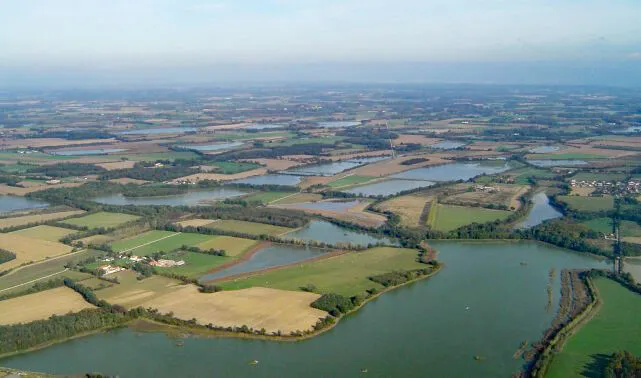
Discover the Ain: world-famous Bresse poultry, the thousand ponds of the Dombes, Pays de Gex facing Mont Blanc and the emerald gorges of Nantua. Complete guide.
 Regions
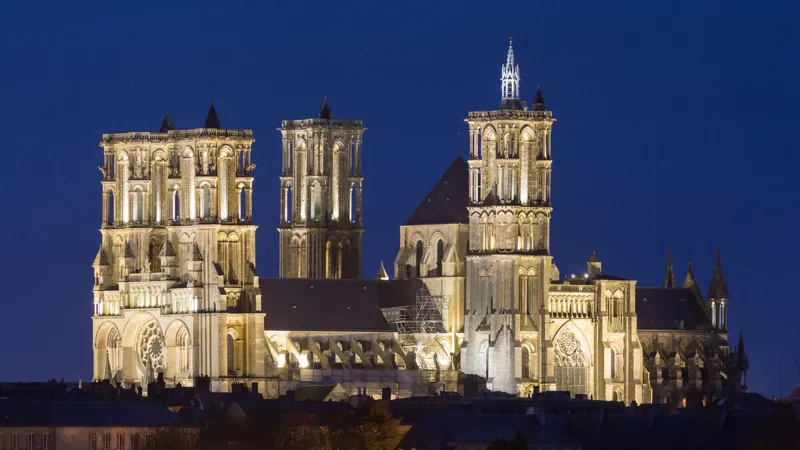
Aisne: Laon's Medieval Citadel and the Chemin des Dames
Discover the Aisne département: Laon's hilltop medieval city, the Chemin des Dames battlefields, Soissons, the Familistère de Guise and Champagne vineyards. Complete travel guide.