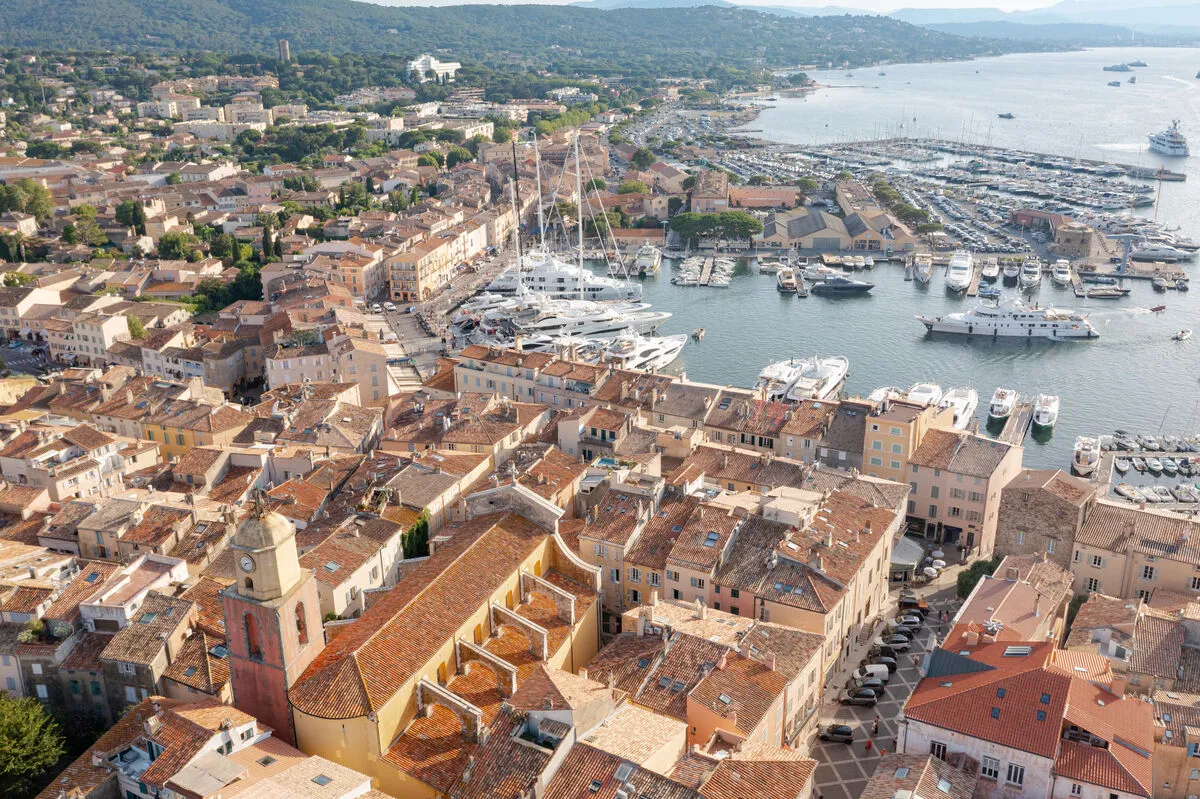
Bardot made Saint-Tropez famous in 1956, and the town has never regained its anonymity. But the Var is far more than its mythical peninsula. The islands of Porquerolles and Port-Cros, protected gems where cars are banned, the cork-oak-covered Maures massif, the hilltop villages of Tourtour and Cotignac, and the nearby Verdon gorges create a department where the Mediterranean meets wild Provence.
Saint-Tropez and the Peninsula
Saint-Tropez has been a household name since Brigitte Bardot filmed And God Created Woman here in 1956. Strip away the celebrity veneer, though, and you find a genuine Provençal fishing village that still rewards the curious visitor.
The Citadel and Old Town
The Citadelle de Saint-Tropez, a sixteenth-century fortress on the hill above the harbour, delivers the finest panorama of the gulf, the terracotta rooftops and the distant Maures hills. Inside, a maritime history museum (entry about 4 euros) traces the town's past as a fishing port and corsair haven. Below, the old village is a tangle of pastel facades, shady squares and narrow lanes that have barely changed in a century. The Place des Lices, lined with plane trees, hosts a lively Provençal market every Tuesday and Saturday morning where farmers, craft vendors and pétanque players converge. Art lovers should not miss the Musée de l'Annonciade, housed in a former harbourside chapel, which holds an outstanding collection of post-Impressionist and Fauvist paintings (entry about 6 euros).
Pampelonne Beach
Pampelonne, a 4.5-kilometre ribbon of honey-coloured sand in the commune of Ramatuelle, is one of the most famous beaches on the Mediterranean. It alternates between private beach clubs with sunbeds and restaurants (expect 20 to 40 euros for a sunbed) and generous stretches of free public sand. The water is crystalline and shelves gently, making it excellent for swimming. To dodge the peak-summer crush, head to the northern or southern ends of the beach, or visit in June or September when the sea is warm but the peninsula recovers its calm.
The Hyères Islands: A Wild Archipelago
Off the coast of Hyères, three islands form the Îles d'Or (Golden Islands): Porquerolles, Port-Cros and the Île du Levant. Together they constitute one of the best-preserved natural treasures on the French coast.
Porquerolles
Porquerolles is the largest and most accessible of the three. The ferry from La Tour Fondue on the Giens peninsula costs about 20 euros return for a 20-minute crossing. The island stretches 7 kilometres from end to end, laced with trails through Aleppo pines, vineyards and fragrant scrubland. Notre-Dame beach, voted Europe's best beach in 2015, is a crescent of white sand fringed by maritime pines with water so turquoise it feels tropical. Bicycles are the ideal way to explore and can be rented in the village for about 15 euros a day. The Fort Sainte-Agathe (free entry) hosts exhibitions on marine biodiversity.
Port-Cros National Park
Port-Cros is the heart of the Parc National de Port-Cros, the first marine national park in Europe, established in 1963. The island is entirely wild: no cars, no paved roads. A 6-kilometre botanical loop trail winds through dense forest of holm oaks and tree heathers. At the Palud beach, a remarkable underwater snorkelling trail guides swimmers past submerged information panels explaining Mediterranean marine life. Allow a full day. The ferry from Hyères or Le Lavandou costs 25 to 30 euros return.
Thoronet Abbey
The Abbaye du Thoronet, hidden in a wooded valley between Draguignan and Brignoles, is one of three Cistercian masterpieces in Provence, alongside Sénanque and Silvacane. Built between 1160 and 1230, it embodies the architectural austerity championed by Saint Bernard: no decoration, no figurative sculpture, only the perfection of proportion and the play of light on bare stone. The acoustics of the church are so extraordinary that sacred music concerts are held here in summer. Entry costs about 8 euros. Allow at least 90 minutes to appreciate the cloister, the chapter house and the lay brothers' cellar. The site is managed by the Centre des Monuments Nationaux and has an excellent audio guide available in English.
The Massif des Maures
The Massif des Maures is a rolling wilderness of forested hills stretching from Hyères to Fréjus, blanketed in cork oaks, chestnut groves and aromatic scrub. This is the secret, untouristed Var.
Collobrières, Chestnut Capital
Deep in the massif, the village of Collobrières is the capital of chestnut and marrons glacés. Every October the Chestnut Festival draws thousands for chestnut soup, cakes and cream. The Confiserie Azuréenne offers tastings year round. Hiking trails around the village pass through ancient cork-oak forests where you can still see the trees stripped of their bark in the traditional harvest, an industry that has sustained this area for centuries.
The Chartreuse de la Verne
Lost in the forest, the Chartreuse de la Verne is a twelfth-century monastery, partly ruined, still inhabited by a small religious community. Reach it via a winding 7-kilometre road from Collobrières. The visit (about 7 euros) reveals the grand cloister, the church and the monks' cells in a setting of extraordinary solitude and silence.
The Var Hinterland
Cotignac
Cotignac is one of the most unusual villages in the Var. Its houses lean against a towering tufa cliff riddled with troglodyte caves that once served as dwellings and storage. The village is crowned by two medieval towers reached via a steep 15-minute climb. The Cours Gambetta, shaded by plane trees, is lined with cafés and restaurants where you dine gazing up at the cliff face. The Tuesday morning market is one of the most authentic in the region and a fine place to stock up on local olive oil and honey.
Entrecasteaux and Draguignan
The Château d'Entrecasteaux, surrounded by gardens attributed to Le Nôtre, overlooks a tranquil village on the banks of the Bresque river. The castle visit costs about 5 euros. Nearby, Draguignan, sub-prefecture of the Var, rewards a stop for its medieval old centre, the clock tower and the Museum of Arts and Popular Traditions (free entry). Just outside town, the Pierre de la Fée dolmen, a 60-tonne Neolithic megalith balanced on three stone pillars, is a striking curiosity.
Practical Tips
Getting Around
Toulon-Hyères airport serves the islands and the eastern Var. Nice airport is about 90 minutes from Saint-Tropez by road. A car is essential for the hinterland. The coastal road between Hyères and Saint-Tropez is scenic but painfully slow in summer. Consider the seasonal boat shuttles between ports to skip the traffic jams altogether (Toulon to Saint-Tropez about 15 euros, 2 hours 30 minutes).
When to Visit
May to June and September to October are the sweet spots: sunny weather, swimmable sea and manageable crowds. July and August bring heat and heavy traffic to the coast. The hinterland can be explored comfortably year round, including during the mild winters.
Budget
This area is pricier than the French average, especially in high season. Expect to pay 70 to 110 euros per night for a decent hotel, 110 to 170 euros for a charming B&B or boutique hotel, and 170 to 300 euros for premium establishments. Meals range from 18 to 28 euros for lunch to 30 to 55 euros for dinner. To save money, book well in advance, stay slightly away from the most touristy zones (prices drop 20-30%), eat at markets and local food stalls rather than seafront restaurants, and take advantage of the many free activities: hiking, beaches, village walks, panoramic viewpoints.
Explore on the map
Map →📚 Related collections
Related guides
 Regions
Ain: Bresse, Dombes and Pays de Gex
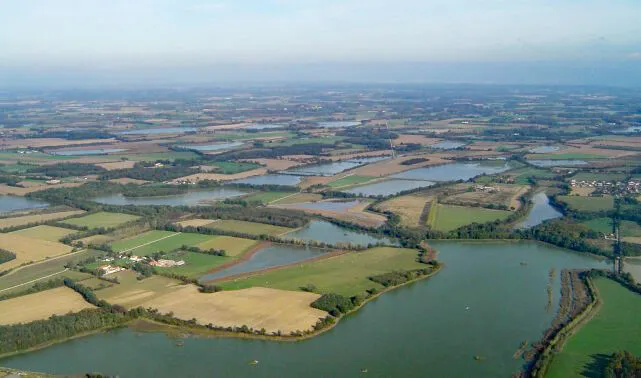
Discover the Ain: world-famous Bresse poultry, the thousand ponds of the Dombes, Pays de Gex facing Mont Blanc and the emerald gorges of Nantua. Complete guide.
 Regions
Aisne: Laon's Medieval Citadel and the Chemin des Dames
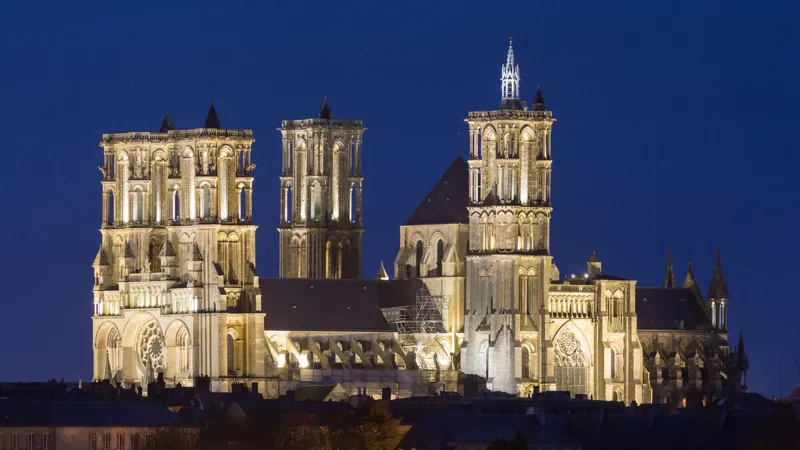
Discover the Aisne département: Laon's hilltop medieval city, the Chemin des Dames battlefields, Soissons, the Familistère de Guise and Champagne vineyards. Complete travel guide.