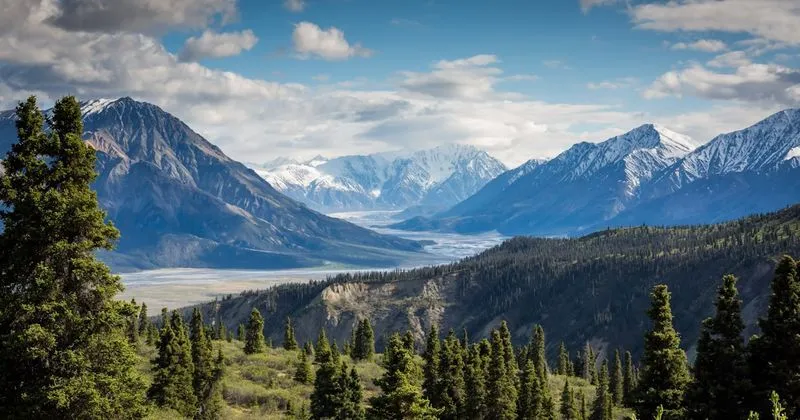
Val Thorens, Courchevel, Les Arcs, Tignes: names that make skiers the world over dream. Savoie is France's loftiest department, a territory where summits breach 3,000 metres, where the Vanoise protects ibex and marmots, and where the lakes -- Bourget, Aiguebelette -- display blues so deep you might think the Mediterranean had wandered into the mountains.
Chambéry, the Historic Capital
A City with Italian Flair
Chambéry was the capital of the Duchy of Savoy for centuries, and its architecture reflects those deep ties to Italy. The Château des Ducs de Savoie, perched above the old town, once housed the Turin Shroud before it was moved to Italy. Guided tours of the castle and its Sainte-Chapelle run regularly (around 7 €, 1h30).
The city's most famous landmark is the Fontaine des Éléphants, an 1838 monument honouring the Count of Boigne, a local adventurer who made his fortune in India. From here, wander through the old town's covered passageways, known as traboules — similar to those in Lyon. The narrow alleys open onto intimate squares lined with cafés and boutiques.
Don't miss the Cathédrale Saint-François-de-Sales, whose interior is entirely covered in stunning trompe-l'oeil paintings, or the Fine Arts Museum with its impressive collection of Italian works.
Lac du Bourget and Its Shores
France's Largest Natural Lake
Lac du Bourget stretches 18 kilometres between the Jura mountains and the first ridges of the Alps. It is the largest natural glacial lake in France, reaching depths of 145 metres. Its waters shift from deep sapphire to emerald green depending on the light and season.
On the western shore, reachable only by boat or on foot, the Abbaye d'Hautecombe is the burial place of the princes of Savoy. This neo-Gothic masterpiece is free to visit. Cruises from Aix-les-Bains combine the lake crossing with an abbey tour (around 16 €, 2h30).
Aix-les-Bains, Belle Époque Elegance
Aix-les-Bains retains the grandeur of its thermal heyday. Queen Victoria, Indian maharajas and European high society once took the waters here. Today, the Thermes Chevalley spa complex offers treatments open to all. A stroll along the lakefront reveals Belle Époque villas, a grand casino and a pleasant marina — the ideal base for swimming, sailing or paddleboarding on the lake.
Legendary Ski Domains
Les 3 Vallées, the World's Largest Ski Area
Les 3 Vallées links Courchevel, Méribel and Val Thorens into the world's largest interconnected ski area: 600 kilometres of runs served by 160 lifts. Val Thorens, at 2,300 metres, is Europe's highest resort and boasts reliable snow from November through May.
A full 3 Vallées day pass costs around 70 € in peak season, though half-day and early/late-season deals bring the price down significantly. Budget-conscious skiers should look at village resorts like Saint-Martin-de-Belleville, which offers authentic Savoyard charm and direct lift access at a fraction of the price.
Val d'Isère and Tignes
The Espace Killy domain, shared between Val d'Isère and Tignes, is a playground for serious skiers. Its 300 kilometres of runs include the legendary Face de Bellevarde, the Olympic downhill course from the 1992 Albertville Games. The Grande Motte glacier at Tignes even allows summer skiing.
Val d'Isère is equally appealing for its authentic village atmosphere and lively après-ski scene. In summer, the resort transforms into a hiking and mountain biking hub with spectacular trails.
Vanoise National Park
France's First National Park
Established in 1963, the Vanoise National Park was France's first national park. Its 535 km² core zone protects remarkable alpine wildlife: over 1,500 ibex (the Alps' largest colony), marmots, chamois, golden eagles and bearded vultures.
The park offers more than 500 kilometres of marked trails, from gentle family walks to multi-day treks. The Tour de la Vanoise (approximately 6 days) is a classic alpine circuit connecting mountain refuges through breathtaking scenery. Refuges charge around 50 € for half-board and serve hearty mountain cuisine.
Col de l'Iseran
At 2,770 metres, the Col de l'Iseran is the highest paved pass in the Alps. Open from June to October depending on snow, the road delivers jaw-dropping panoramas at every hairpin. It is a legendary climb in the Tour de France, and amateur cyclists flock here to test themselves against the gradient. At the summit, the tiny chapel of Notre-Dame de Toute Prudence watches over travellers.
Savoyard Food and Drink
Beaufort, the Prince of Gruyères
Beaufort cheese is called the "prince of gruyères." Made exclusively from raw milk in Savoie's alpine pastures, it comes in three grades: standard Beaufort, Beaufort d'été (summer) and Beaufort chalet d'alpage (from individual high-altitude farms). Dairy cooperatives such as the one in Beaufort-sur-Doron offer visits to their ageing cellars and tastings.
Savoyard cuisine is built for refuelling after a day on the mountain. Fondue savoyarde blends Beaufort, Comté and Emmental in a communal pot. Tartiflette layers potatoes, lardons and Reblochon cheese. Diots, local sausages braised in white wine, are a hearty speciality. Wash it all down with crisp Savoie whites — Apremont or Roussette pair perfectly.
Practical Tips
When to Visit
For skiing, December to April. Les 3 Vallées and Val d'Isère typically open in late November. Summer (July-August) is perfect for hiking and lake activities. June and September offer quieter trails and beautiful light.
Getting Around
The TGV reaches Chambéry from Paris in 3 hours. Shuttle buses connect the ski stations from Chambéry, Albertville and Moûtiers stations. A car is handy but mountain roads demand caution — snow tyres or chains are mandatory in winter.
Explore on the map
Map →📚 Related collections
Related guides
 Regions
Ain: Bresse, Dombes and Pays de Gex
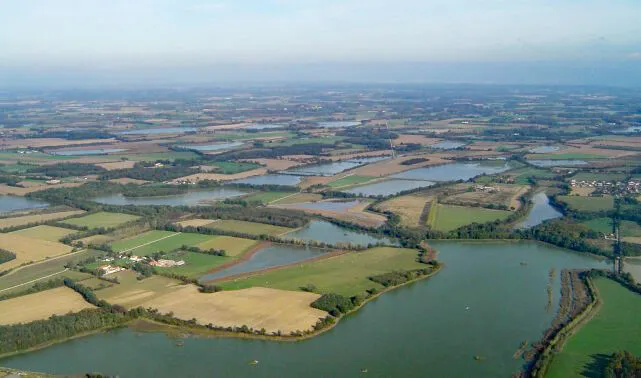
Discover the Ain: world-famous Bresse poultry, the thousand ponds of the Dombes, Pays de Gex facing Mont Blanc and the emerald gorges of Nantua. Complete guide.
 Regions
Aisne: Laon's Medieval Citadel and the Chemin des Dames
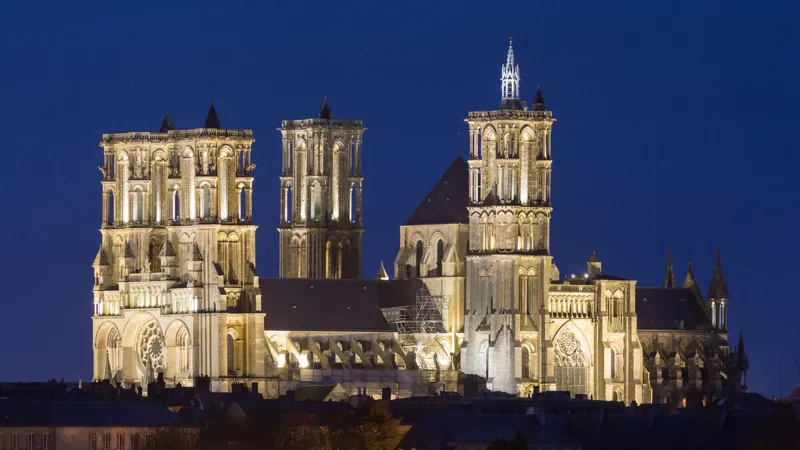
Discover the Aisne département: Laon's hilltop medieval city, the Chemin des Dames battlefields, Soissons, the Familistère de Guise and Champagne vineyards. Complete travel guide.