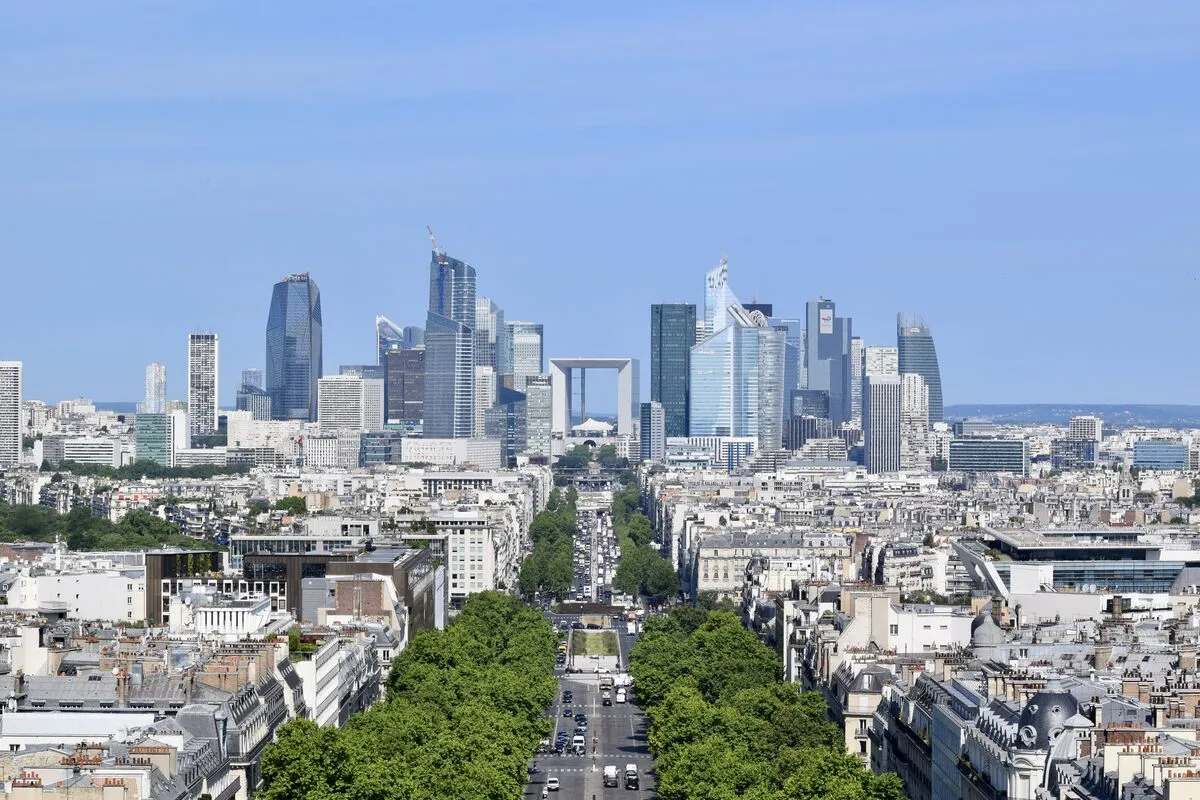
The Grande Arche de la Defense rises like an exclamation mark at the end of the historic Parisian axis, but Hauts-de-Seine is far more than a business skyline. This urban crescent west of Paris conceals the Domaine de Saint-Cloud and its French formal gardens, the museums of Issy-les-Moulineaux and Sceaux, the Ile Seguin reconverted into a cultural hub, and the wooded hills of Meudon where Rodin came to sculpt.
La Défense: Futuristic Skyline on Paris's Doorstep
La Défense is Europe's largest purpose-built business district, but it is also a formidable open-air museum of architecture and contemporary art. The Grande Arche, designed by Danish architect Otto von Spreckelsen, closes the historic axis that begins at the Louvre. Ascend to the roof of the Grande Arche (environ 15 euros) for a dizzying panorama over Paris and the historic axis.
The La Défense esplanade is dotted with some sixty public artworks: César's Thumb, Calder's red Stabile, Yaacov Agam's fountain, and many more. A self-guided walk lets you discover them in 1 to 2 hours, with explanatory panels along the way.
Les Quatre Temps and District Life
The Les Quatre Temps shopping centre is one of Europe's largest, with over 200 shops. But beyond retail, La Défense has unexpected green spaces: the Parc André Malraux in Nanterre, just behind the towers, is a 25-hectare haven with a lake, gardens, and playgrounds.
Practical tip: La Défense is best on weekdays for the urban buzz and lunchtime restaurants (set menus between 12 and 20 euros). At weekends the district is quieter and lends itself to an art stroll.
Saint-Cloud Park: Royal Garden with a Paris View
The Domaine National de Saint-Cloud is one of the finest parks in Île-de-France. Spanning 460 hectares, it occupies the slopes above the Seine and offers exceptional panoramic views of Paris. The château was destroyed in the 1870 war, but Le Nôtre's gardens survived: the Grand Jet fountain, sending water 42 metres high, the Grande Cascade, and the French-style parterres are magnificent.
Car entry to the park costs around 6 euros at weekends (free for pedestrians and cyclists). The park is vast and perfect for long walks, jogging, and picnics. In September it hosts the Rock en Seine festival, one of France's major back-to-school music events.
The Musée des Avelines in central Saint-Cloud (free) displays collections of paintings, ceramics, and local history in an intimate setting.
The Sceaux Estate: A Le Nôtre Masterpiece
The Domaine de Sceaux, in the south of the department, is a jewel too often overlooked. The château, rebuilt in the 19th century, houses the Musée de l'Île-de-France (environ 5 euros), tracing the region's history through paintings, furniture, and art objects. But it is above all the gardens that merit the visit.
Designed by André Le Nôtre for Colbert, they form a harmonious ensemble of parterres, pools, cascades, and perspectives. The Grand Canal, lined with immaculate lawns, is one of the most beautiful in Île-de-France. In spring, the park's Japanese cherry trees draw crowds of photographers and strollers — this is the Parisian region's Hanami, a moment of grace from late March to mid-April.
Practical tip: the park is free and open to all. Come on a weekday in spring to enjoy the cherry blossoms without weekend crowds. RER B (Parc de Sceaux station) drops you right there.
Boulogne-Billancourt: Culture and Modernity
Boulogne-Billancourt, the department's most populous commune, is a city of surprising cultural wealth. The Musée des Années 30 (environ 6 euros) is a unique institution dedicated to Art Deco and 1920s-1930s design, with collections of furniture, painting, and sculpture.
The Île Seguin, former site of the Renault factories, is undergoing transformation. The Seine Musicale, inaugurated in 2017, is a concert hall with bold architecture (a sphere covered in mobile solar panels) hosting varied programming — classical, jazz, pop, world music. Tickets start at around 20 euros depending on the show.
The Parc de l'Île Saint-Germain in neighbouring Issy-les-Moulineaux is a pleasant green space along the Seine. Here you will find Jean Dubuffet's Tour aux Figures, a colourful, joyful 24-metre monumental sculpture.
Meudon: Rodin and the Forest
Meudon offers a dual attraction. The Musée Rodin de Meudon (environ 5 euros), housed in the villa where the sculptor lived and worked from 1895 until his death in 1917, displays works, casts, and a reconstructed studio. The garden holds outdoor bronzes with open views of Paris. It is more intimate and less crowded than the Paris Rodin museum.
The Meudon forest, extending over 1,100 hectares, is a preserved natural area ideal for hiking and mountain biking. The Meudon Observatory, linked to the Paris Observatory, organises guided tours and stargazing evenings (booking required, around 8 euros).
Walks Along the Seine
The Seine banks in Hauts-de-Seine have been extensively developed in recent years. From Suresnes to Issy-les-Moulineaux, a pedestrian and cycling path follows the river for several kilometres. Old-style guinguettes (riverside eateries) are back in fashion, and several establishments offer waterside terraces for a drink or a summer meal.
Mont Valérien in Suresnes, a major national memorial site, is a place of remembrance where over 1,000 resistance fighters were executed during the Second World War. The memorial (free admission) is a powerful and moving place.
Hauts-de-Seine Gastronomy
The department benefits from its proximity to Paris and offers a diverse gastronomic scene. The markets of Boulogne-Billancourt, Levallois-Perret, and Rueil-Malmaison are among the finest in the Paris suburbs, with high-quality fresh produce.
Restaurants in Hauts-de-Seine cover every range: from Asian canteens in La Défense (dishes around 10 to 14 euros) to gastronomic tables such as Le Cénacle in Sceaux or Le Frank at the Fondation Louis Vuitton (menus from 50 euros). Brasseries along the Seine offer lunch formulas between 15 and 25 euros.
The Fondation Louis Vuitton, though technically in the Bois de Boulogne (Paris), sits on the department's edge and deserves mention: Frank Gehry's architecture is breathtaking and the temporary exhibitions are world-class (environ 16 euros).
Practical Tips
- When to visit: late March to mid-April for cherry blossoms at Sceaux, May to June for the parks, September for Rock en Seine
- Getting around: metro (line 1 to La Défense), RER B (Sceaux), tramway T2, and RER C serve the department very well — a car is rarely necessary
- Food budget: expect 12 to 20 euros for a quick lunch, 25 to 40 euros for dinner at a restaurant
- Suggested duration: 2 to 3 days for the main sites, but each can be visited in half a day from Paris
- Must-do experiences: the panorama from the Grande Arche rooftop, cherry blossoms at the Domaine de Sceaux, and a concert at the Seine Musicale
Explore on the map
Map →📚 Related collections
Related guides
 Regions
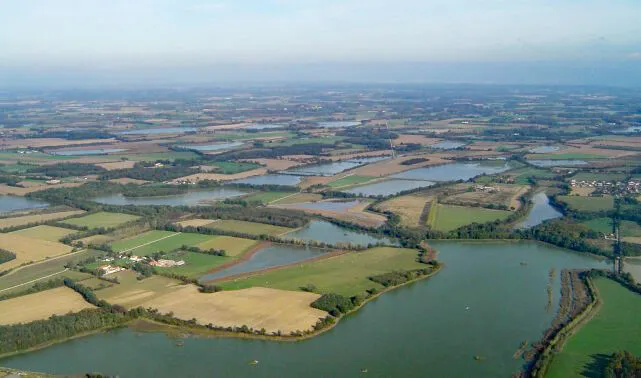
Ain: Bresse, Dombes and Pays de Gex
Discover the Ain: world-famous Bresse poultry, the thousand ponds of the Dombes, Pays de Gex facing Mont Blanc and the emerald gorges of Nantua. Complete guide.
 Regions
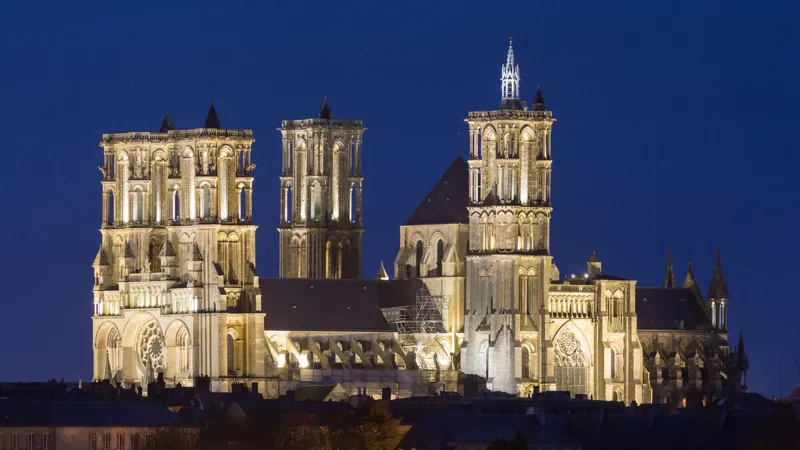
Aisne: Laon's Medieval Citadel and the Chemin des Dames
Discover the Aisne département: Laon's hilltop medieval city, the Chemin des Dames battlefields, Soissons, the Familistère de Guise and Champagne vineyards. Complete travel guide.