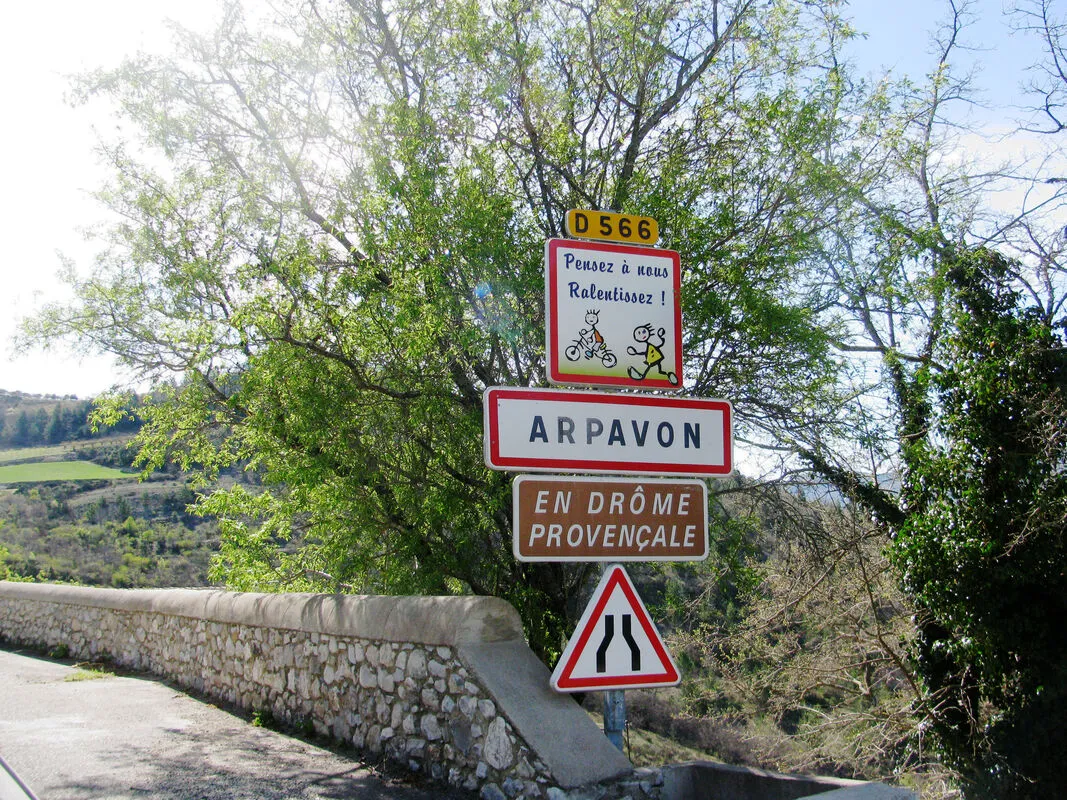
Somewhere between Valence and Montelimar, slate roofs give way to Roman tiles, walnut trees yield to olives, and drizzle surrenders to the mistral. The Drome is the department where northern France tips into the south, and the transition tastes as good as it looks: Montelimar nougat, Nyons olive oil, Tricastin black truffle, Drome Provencale lavender.
Valence, Gateway to the Midi
The City of the Peynet Kiosk
Valence is the prefecture of the Drome, set on a terrace above the Rhone. The city is known for the Kiosque Peynet on the Champ de Mars, the small bandstand that inspired illustrator Raymond Peynet to create his famous lovers. Framed by plane trees and facing a panorama of the Crussol castle and the Ardeche hills, it has become a symbol of romantic love.
The compact, endearing old town is best explored on foot. The Cathedral of Saint-Apollinaire (eleventh century), the Maison des Tetes (a Renaissance facade adorned with sculpted busts) and the steep lanes sloping down to the Rhone form a pleasant ensemble. The Musee de Valence, renovated and expanded, overlooks the river from a spectacular terrace and houses collections of archaeology and fine arts, including a fine group of Hubert Robert landscapes. Entry around 7 euros.
Valence at the Table
Valence is a city of high gastronomy. Maison Pic, run by chef Anne-Sophie Pic (three Michelin stars), is one of the great restaurants of France. For a more accessible budget, her bistrot ANDRE offers creative cooking from 28 euros at lunch. The Saturday morning market on the boulevards is a festival of Drome produce: picodon goat cheese, ravioles, valley fruits.
Montelimar, Nougat Capital
The Story of a Legendary Sweet
Montelimar is inseparable from nougat. This confection of lavender honey, egg whites and almonds has been made here since the seventeenth century. The town still counts about a dozen artisan nougat makers who keep the tradition alive. The Fabrique Arnaud Soubeyran, the oldest nougat house (founded in 1837), offers a free visit to its museum and workshops, followed by a generous tasting.
Along the town-centre boulevards, nougat shops compete in creativity: caramelised dark nougat, red-berry nougat, iced nougat. Expect to pay between 15 and 25 euros per kilo for quality artisanal nougat.
The Chateau des Adhemar
Commanding the old town, the Chateau des Adhemar is a twelfth-century medieval fortress, beautifully restored. Now a contemporary art centre, it hosts quality exhibitions in a striking setting. The terrace view sweeps across the rooftops, the Rhone valley and the first foothills of the Pre-Alps. Entry around 6 euros.
The Provencal Promenade
The centre of Montelimar charms with its allees provencales, a wide, plane-tree-shaded avenue lined with cafes and terraces. On Saturday mornings a bustling market fills the space with Drome specialities: Nyons olives, Tricastin black truffle, picodon cheese, lavender honey and sun-drenched fruit.
The Provencal Drome
Grignan, Madame de Sevigne's Chateau
The Chateau de Grignan is the largest Renaissance chateau in south-eastern France. Perched on a rocky spur above the village, it is famous for hosting Madame de Sevigne, who visited her daughter here and died within its walls in 1696. The furnished rooms, panoramic terraces and gardens make for a captivating visit. Entry around 9 euros. In summer, the Festival de la Correspondance brings readings, performances and concerts to the chateau and village -- a unique event in France.
Nyons, Capital of the Olive
Nyons is the capital of the Nyons olive, the only French table olive with an AOC designation. This small black olive, mild and fruity, is enjoyed as tapenade, as oil or simply with an aperitif. The Moulin Ramade and the Nyonsais cooperative offer tours and olive-oil tastings. The Thursday morning market, under the arcades of the old town, is one of the finest Provencal markets.
Nyons is also renowned for its exceptional microclimate: sheltered from northern winds by the surrounding mountains, the town enjoys some of the mildest temperatures in France, which explains the presence of olive and even fig trees in the heart of the Drome.
Lavender Fields
From mid-June to mid-August, the Provencal Drome turns violet. Fields of lavender and lavandin roll between the hills around Grignan, Dieulefit and the Tricastin. Lavender distilleries welcome visitors and explain the process of distilling essential oil. One of the most accessible is the Distillerie Bleu Provence in Nyons (free tour, shop).
The Drome Vercors
A Wild Massif on Valence's Doorstep
The southern Vercors, or Vercors dromois, is the southern part of the Vercors massif -- a limestone plateau carved by deep gorges and ringed by sheer cliffs. Less busy than the northern (Isere) Vercors, it offers wilder nature and dramatic scenery.
The Foret de Lente, one of the largest beech-and-fir forests in France, covers the central plateau. It is exceptional hiking country where you may spot red deer, roe deer and even griffon vultures, successfully reintroduced in recent years.
The Ombleze Gorges and the Druise Waterfall
The Gorges d'Ombleze are among the most spectacular natural sites in the Drome. At the end of a winding road, the Chute de la Druise plunges 72 metres into an amphitheatre of cliffs -- the tallest waterfall in the Vercors. The access trail (30 minutes' walk) is suitable for all.
Die and Clairette
At the heart of the Diois, Die is a small Roman town (ancient ramparts are still visible) famous for its Clairette de Die, a sweet sparkling wine made from muscat grapes by the ancestral method. Town-centre cellars offer free tastings. The Cave de Die Jaillance, the largest cooperative, provides a full tour of its facilities (free, 45 minutes).
Dieulefit and the Pottery Country
Dieulefit is a characterful village known for a pottery tradition stretching back to Gallo-Roman times. Several pottery workshops open their doors to visitors. The village is also celebrated for sheltering refugees during the Second World War -- a memory honoured by a heritage trail through the town. The Friday market is a must.
Practical Tips
When to Visit
May to October to enjoy the department fully. Lavender blooms from mid-June to mid-August. Autumn is glorious in the Vercors and the Diois. Winter is mild in the Provencal Drome but cold on the Vercors heights.
Getting Around
Valence is 2h15 from Paris by TGV and 1 hour from Lyon. Montelimar is 45 minutes south of Valence via the A7. A car is essential for the Provencal Drome and the Vercors. Departmental roads are beautiful but winding.
How Long to Stay
Allow 4 to 6 days: Valence (1 day), Montelimar and the nougat trail (half a day), Grignan and Nyons (1 day), lavender fields and Dieulefit (1 day), the Drome Vercors and Die (1 to 2 days).
Budget
Accommodation ranges from 50 to 80 euros per night for a budget hotel, 80 to 130 euros for a B&B or charming hotel, and 130 to 220 euros for upscale options. A restaurant lunch runs 14 to 22 euros, dinner 25 to 40 euros. Local farmers' markets provide excellent produce for picnics at reasonable prices. Hiking, village exploration and most churches are free. Paid sites and museums cost 6 to 15 euros per person. To keep costs in check, look for weekday set-lunch menus, stay in rural gites or quality campsites, and enjoy the free tastings many local producers offer.
Explore on the map
Map →📚 Related collections
Related guides
 Regions
Ain: Bresse, Dombes and Pays de Gex
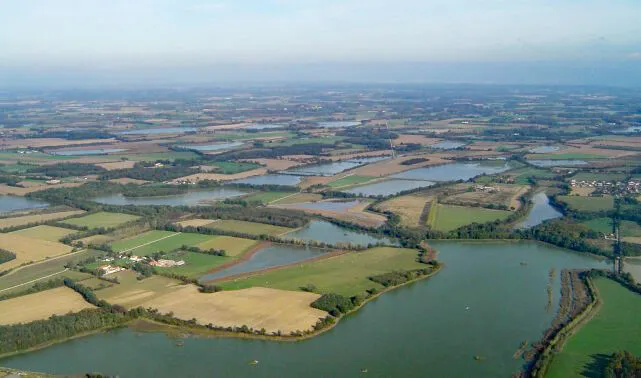
Discover the Ain: world-famous Bresse poultry, the thousand ponds of the Dombes, Pays de Gex facing Mont Blanc and the emerald gorges of Nantua. Complete guide.
 Regions
Aisne: Laon's Medieval Citadel and the Chemin des Dames
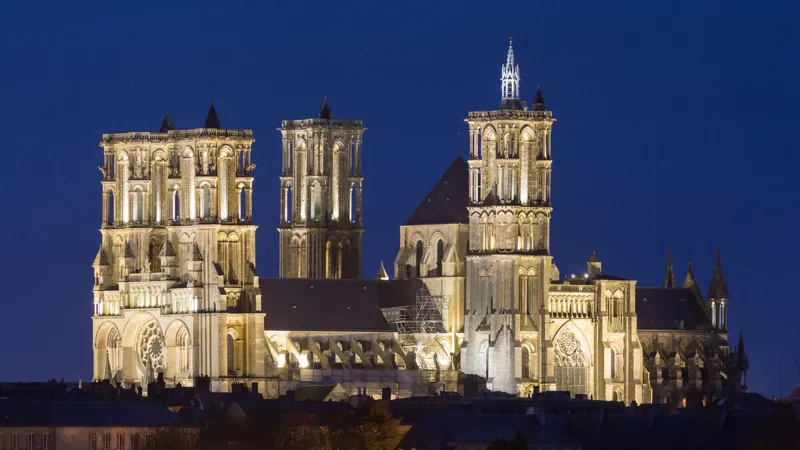
Discover the Aisne département: Laon's hilltop medieval city, the Chemin des Dames battlefields, Soissons, the Familistère de Guise and Champagne vineyards. Complete travel guide.