Humans chose to settle in the Dordogne at least 400,000 years ago, and one visit makes it clear why. From the painted caves of Lascaux to the medieval fortresses overlooking the river, from the foie gras markets of Sarlat to the golden cliffs of the Perigord Noir, this department gathers the best of prehistory, the Middle Ages and French gastronomy into a single dazzling setting.
Sarlat-la-Canéda: Heart of the Périgord Noir
The Medieval Old Town
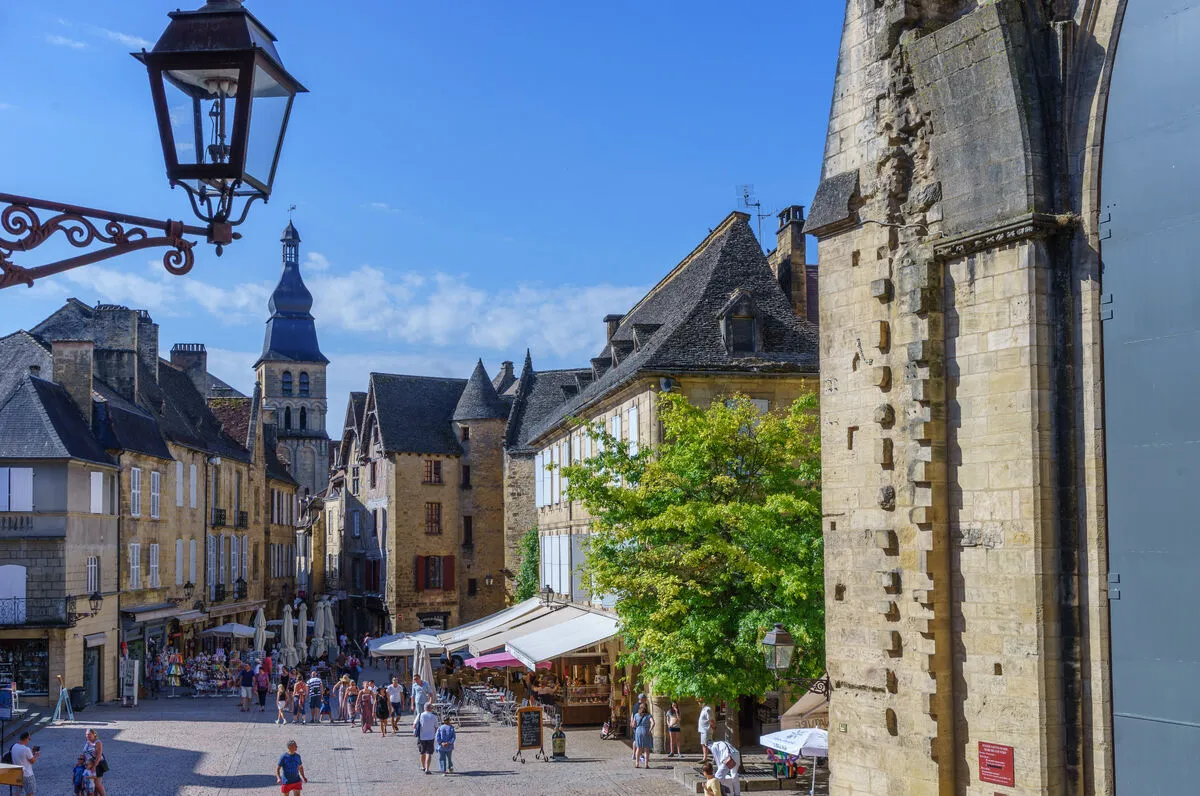
Sarlat-la-Canéda holds one of the finest medieval and Renaissance townscapes in France. Its narrow streets of golden stone, turreted townhouses and vaulted passageways form a backdrop so perfectly preserved that it has served as a set for numerous period films. Walking the rue de la Liberté or gazing up at the stone-slab rooftops from the main square feels like stepping into another century.
The Saturday Market
Sarlat's Saturday morning market is legendary. Hundreds of stalls fill the squares and lanes, selling foie gras, walnuts, cèpes, honey, goat cheese and Bergerac wines. In season (November to March), a dedicated truffle market takes place on Wednesday and Saturday mornings near the Cathédrale Saint-Sacerdos. Périgord black truffles (Tuber melanosporum) are sold by weight, often fetching 500 to 1,000 euros per kilogram depending on the year. Even without buying, the atmosphere is captivating. Set aside a full morning to wander.
Prehistoric Caves
Lascaux IV
The Vézère Valley, a UNESCO World Heritage Site, contains one of the densest concentrations of prehistoric sites anywhere on Earth. The highlight is Lascaux IV — Centre International de l'Art Pariétal, a full-scale, meticulous replica of the original cave that was closed to the public in 1963 to protect its paintings. The reproduction uses digital projection and immersive technology to bring the 20,000-year-old horses, aurochs and stags vividly to life. Guided tours last approximately 90 minutes. Tickets cost around 22 euros and should be booked online in advance, especially during summer.
Les Eyzies and the National Museum of Prehistory
The village of Les Eyzies-de-Tayac, tucked beneath enormous limestone overhangs, is nicknamed the "World Capital of Prehistory." The Musée national de Préhistoire, built into the cliff face, houses an outstanding collection of Paleolithic tools, engravings and sculptures. Entry costs approximately 8 euros. Two kilometers away, the Grotte de Font-de-Gaume is one of the last caves in Europe where visitors can see authentic polychrome prehistoric paintings in their original setting. Access is limited to 78 visitors per day; arrive at the ticket office at opening (09:30) to secure a place. Entry is about 8 euros.
Castles and Villages of the Dordogne Valley
Beynac-et-Cazenac
The Château de Beynac is among the most dramatic castles in France. Perched sheer above the Dordogne, this twelfth-century fortress commands breathtaking views of the valley and the rival castles of Castelnaud and Marqueyssac. The climb to the keep is steep but richly rewarded. Entry is approximately 9 euros. The village itself, all steep lanes and honey-colored stone, deserves at least an hour of unhurried exploration.
Jardins de Marqueyssac
The Jardins de Marqueyssac offer six kilometers of pathways through 150,000 boxwood bushes sculpted into fantastical shapes, suspended above the Dordogne Valley. The cliff-edge belvedere delivers one of the département's finest panoramas. In summer, the gardens open for atmospheric candlelit evenings. Entry is approximately 10 euros.
La Roque-Gageac and Canoeing
The village of La Roque-Gageac, clinging to a sun-drenched cliff above the river, regularly features among the most beautiful villages in France. Flat-bottomed gabarre boats depart from the waterfront for narrated 50-minute cruises (about 11 euros). For a more active experience, rent a canoe: the descent from Cénac to Beynac (roughly 12 kilometers) costs 15 to 25 euros per person and glides beneath three castles. It is arguably the finest way to experience the valley.
Domme: The Panoramic Bastide
Perched 150 meters above the Dordogne, Domme is a fortified bastide town founded in the thirteenth century. Its esplanade offers a sweeping panorama of the valley, the river's meanders and the wooded cliffs beyond. Beneath the market square, a network of natural caves shelters stalactites and stalagmites (entry about 9 euros). The Thursday morning market is one of the most pleasant in the region.
Périgueux and the White Périgord
Vesunna: The Gallo-Roman City
The Dordogne's capital, Périgueux, is often overlooked by visitors rushing to Sarlat. That is a mistake. The Vesunna Museum, designed by Jean Nouvel, shelters the remains of a vast Gallo-Roman domus beneath a bold glass roof. Visitors walk directly above ancient mosaics and walls. Entry is about 8 euros. The Cathédrale Saint-Front, with its cluster of Byzantine domes, is said to have inspired the Sacré-Coeur in Paris. The covered market in Périgueux, open every morning except Monday, is an excellent place to sample local produce without the tourist crowds of Sarlat.
Périgord Gastronomy
The Dordogne is one of France's great gastronomic heartlands, and its culinary traditions are robust and generous.
Foie gras is the region's defining luxury. Local farms offer tours and direct sales, often at prices well below those in Paris. Duck confit (confit de canard), pommes sarladaises (potatoes slowly cooked in duck fat with garlic and parsley), grilled magret de canard (duck breast) and Périgord walnuts are everyday staples on menus throughout the department.
In winter, the black Périgord truffle perfumes everything from scrambled eggs to fresh pasta. In autumn, cèpes (porcini mushrooms) flood the markets and kitchens. And year-round, the wines of Bergerac — full-bodied reds and the honeyed sweet whites of Monbazillac — provide the perfect accompaniment to local cuisine.
Practical Tips
- When to go: May, June and September offer the best mix of weather and manageable visitor numbers. October is superb for autumn colors. Winter (November to March) is truffle season and the most atmospheric time in Sarlat.
- Getting around: A car is essential. Bordeaux to Sarlat is about 170 kilometers (two hours). Roads are well-maintained but winding through the valleys. In summer, secondary roads between the castles can be congested.
- Budget: Expect 70 to 120 euros per night in a guesthouse, 15 to 22 euros for a set lunch, 8 to 22 euros for attraction entry fees. Canoe rental runs 15 to 25 euros for a half-day.
- How long: Allow 4 to 6 days for a comprehensive tour covering the Dordogne Valley, the Vézère Valley and Périgueux. Three days is the minimum for the essential sights.
- Do not miss: Sarlat's Saturday morning market, a canoe trip down the Dordogne, a visit to Lascaux IV, and the panorama from Domme at sunset.
Explore on the map
Map →📚 Related collections
Related guides
 Regions
Ain: Bresse, Dombes and Pays de Gex
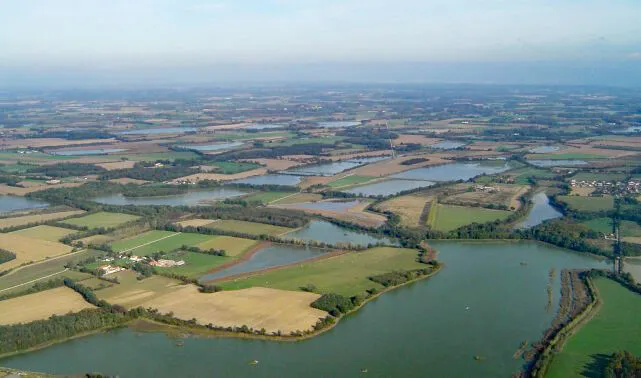
Discover the Ain: world-famous Bresse poultry, the thousand ponds of the Dombes, Pays de Gex facing Mont Blanc and the emerald gorges of Nantua. Complete guide.
 Regions
Aisne: Laon's Medieval Citadel and the Chemin des Dames
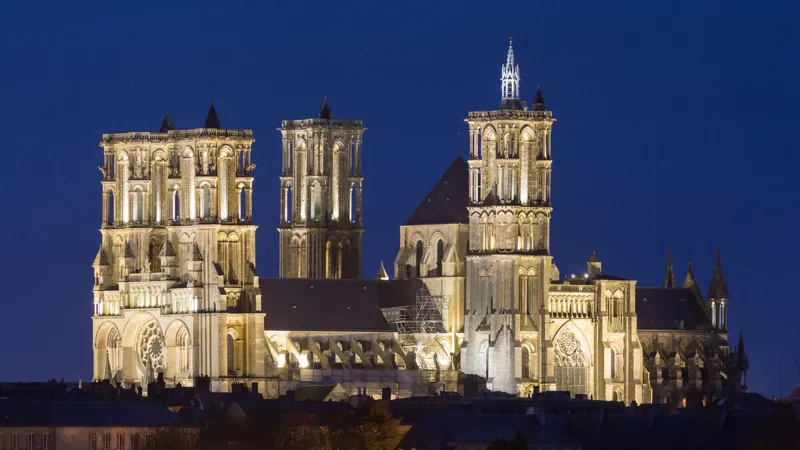
Discover the Aisne département: Laon's hilltop medieval city, the Chemin des Dames battlefields, Soissons, the Familistère de Guise and Champagne vineyards. Complete travel guide.