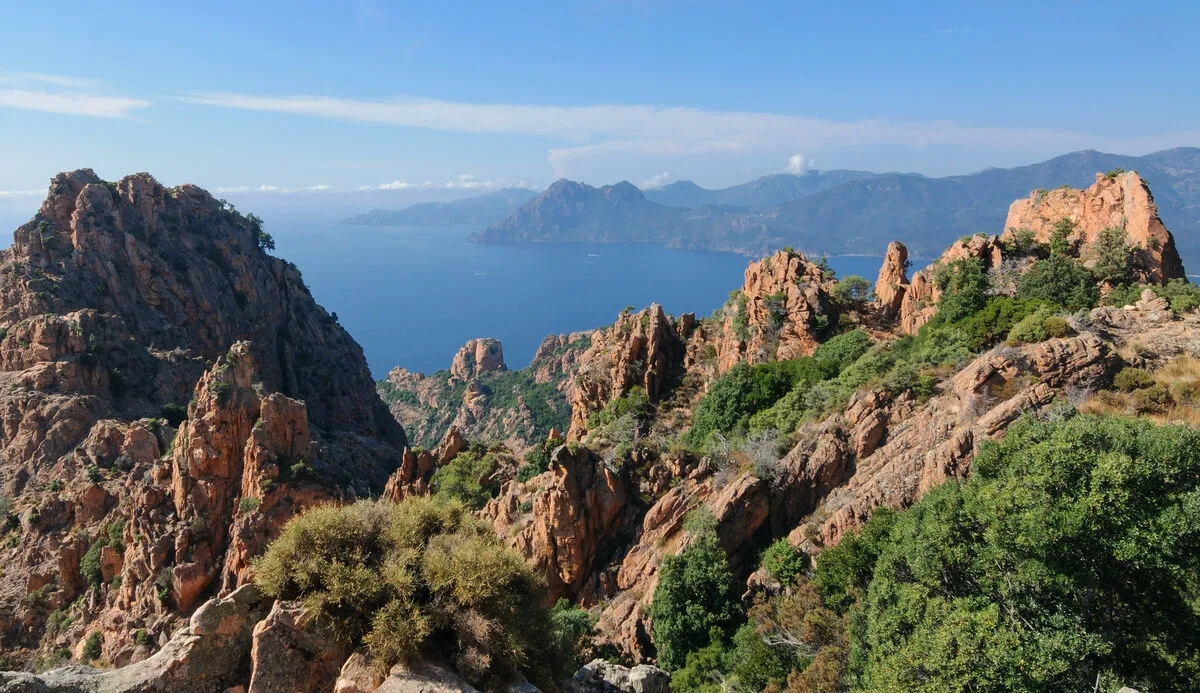
How does a mountain reaching 2,706 metres rise from a sea as turquoise as the Caribbean? Corsica is that geographical paradox, an island rightly called the Isle of Beauty. Behind the postcard lies a fiercely independent culture, a cuisine born of mountain and maquis, hiking trails among the most demanding in Europe, and a coastline that, cove after cove, seems never to end.
Ajaccio: Napoleon's City
Ajaccio, the capital of southern Corsica, sprawls along a wide gulf backed by hills and mountains. Most visitors know it for a single name: Napoleon Bonaparte, born here on August 15, 1769.
Maison Bonaparte and the Old Town
The Maison Bonaparte is where the future emperor spent his early childhood. Now a national museum, it displays period furnishings, family portraits and personal effects that paint a surprisingly intimate picture of the Bonaparte clan before they became Europe's most powerful dynasty. Entry costs around 7 euros. The surrounding old town is a compact grid of narrow streets, shuttered townhouses and Baroque churches. Step inside the Cathedral of Our Lady of the Assumption, where Napoleon was baptised, to see its Delacroix painting and austere interior.
The Fesch Museum and the Morning Market
The Musée Fesch holds one of France's finest collections of Italian paintings outside the Louvre. Assembled by Cardinal Fesch, Napoleon's uncle, it includes canvases by Botticelli, Titian, Veronese and Caravaggio. Entry is about 8 euros. Every morning, the central market on Square Campinchi overflows with Corsican charcuterie, sheep's cheese, wild-boar terrine, chestnut honey and clementines in season. Pick up supplies here before heading out to explore the coast.
Bonifacio: A City on the Edge
Nothing quite prepares you for Bonifacio. The old town sits on top of white limestone cliffs that drop 70 metres straight into deep blue water. Seen from a boat, the houses appear to lean out over the void, defying gravity and good sense.
The Citadel and the King of Aragon's Stairway
Walk the narrow streets of the Genoese citadel, where tall houses press against each other so tightly that sunlight barely reaches the ground. The most dramatic feature is the Escalier du Roi d'Aragon: 187 steps cut directly into the cliff face, descending steeply towards the sea. Legend has it they were carved in a single night during the siege of 1420. The view from the bottom, looking back at the cave-pocked cliff, is staggering. From the harbour, look for the Grain de Sable, a solitary pillar of limestone that erosion has detached from the cliff — it stands in the water like a giant chess piece.
The Lavezzi Islands
Boats leave Bonifacio's harbour for the Lavezzi Islands, a granite archipelago classified as a nature reserve about 30 minutes offshore. The water around these islands is astonishingly transparent, the rocks sculpted into smooth, rounded shapes by wind and waves. Swim in lagoon-like coves that feel closer to the Seychelles than to Europe. Return shuttles cost around 35 euros. Bring water, food and sun protection — there are no facilities on the islands. Tip: take the first boat of the day to have the beaches largely to yourself.
Calvi and the Balagne
The Calvi Citadel
Calvi sits on the northwest coast, its honey-coloured Genoese citadel rising above a sweeping crescent of sandy beach nearly 5 kilometres long. The town claims — with a mix of pride and playful defiance — to be the true birthplace of Christopher Columbus. A plaque marks the ruins of what is said to have been his childhood home inside the citadel walls. Whether or not the claim holds up, the panoramic views from the ramparts across the bay to the snow-streaked mountains are undeniable.
The Garden of Corsica
Calvi's hinterland, the Balagne, is known as the Garden of Corsica for its olive groves, citrus orchards and hillsides carpeted in fragrant maquis. A string of hilltop villages reward a slow drive along winding back roads. Sant'Antonino, classified among the most beautiful villages in France, spirals around a granite pinnacle with a full 360-degree panorama spanning sea and mountains. Pigna, a village dedicated to artisans, harbours workshops for instrument-making, ceramics and traditional Corsican music in carefully restored stone houses. The Trinighellu, a small regional train, runs between Calvi and L'Ile-Rousse along the coast — a scenic ride of about 40 minutes that skirts beaches accessible only from the track.
Porto, Scandola and the Calanques de Piana
The western coast of Corsica holds some of the most dramatic scenery in the entire Mediterranean, recognised by UNESCO as a World Heritage Site.
The Scandola Nature Reserve
The Scandola Reserve is accessible only by sea, which only adds to its mystique. Towering cliffs of red porphyry plunge into deep blue water riddled with sea caves, volcanic pinnacles and natural rock arches. The marine ecosystem is extraordinarily rich: ospreys nest on the cliffs, grouper and moray eels patrol the depths, and dolphins regularly accompany the boats. Excursions depart from the small port of Porto and last approximately 3 hours, costing around 50 euros per person. This is one of the unmissable experiences on the island — book ahead in peak season as boats fill quickly.
The Calanques de Piana
South of Porto, the Calanques de Piana are a maze of red-orange granite formations carved by millennia of erosion into towers, arches and shapes that invite the imagination — a dog's head here, a bishop's mitre there. The D81 road that threads through them is one of the most beautiful drives in France, with vertiginous viewpoints at every bend. Several marked trails allow you to explore on foot: the old mule track (about 90 minutes round trip) descends through the rock formations to a secluded beach at the base of the cliffs.
The GR20: Europe's Greatest Trail
The GR20 is widely regarded as the toughest and most spectacular long-distance hiking trail in Europe. It runs the length of Corsica from northwest to southeast, covering 180 kilometres in 16 stages between Calenzana (near Calvi) and Conca (near Porto-Vecchio), through a landscape of alpine peaks, glacial lakes, pine forests and granite ridges.
North versus South
The northern section (Calenzana to Vizzavona, 8 stages) is the more demanding half. It crosses exposed ridgelines, boulder fields and scrambling sections that require sure-footedness and a good head for heights. The southern section (Vizzavona to Conca, 8 stages) is gentler, passing through forests and pastoral landscapes with fewer technical challenges. Many hikers tackle only one half, which still amounts to 7 to 9 days of walking. Completing the full trail typically takes 14 to 16 days.
Practical Information
The best window for the GR20 runs from June to September, with June and September being preferable for cooler temperatures and thinner crowds. Staffed mountain refuges are spaced along each stage, offering bunks for around 15 euros per night (reserve through the Parc Naturel Régional de Corse website). Bring a sleeping bag, sturdy mountain boots and at least 2 litres of water per person. The GR20 is not a beginners' trail: previous multi-day hiking experience and solid fitness are essential.
Corsica's Finest Beaches
With over 1,000 kilometres of coastline, Corsica boasts an embarrassment of beaches, from long sweeps of white sand to hidden pebble coves accessible only by boat.
The Southern Classics
Palombaggia, near Porto-Vecchio, is the postcard beach of Corsica: a crescent of white sand fringed by umbrella pines and lapped by crystalline water that shades from turquoise to emerald. Neighbouring Santa Giulia is a shallow, almost lagoon-like bay that is perfect for families with young children. More secluded, Rondinara is a shell-shaped cove sheltered between two rocky headlands — it has been voted the most beautiful beach in France on multiple occasions.
The Hidden Gems
Saleccia, on the northern Agriates coast, is a kilometre of untouched white sand backed by dunes and wild maquis. Getting there is part of the adventure: the beach is reachable only by boat or 4x4 along a rough 12-kilometre track. The effort keeps the crowds away and preserves a feeling of genuine wilderness. In an entirely different register, the beach at Nonza on Cap Corse surprises with its black volcanic pebbles set against turquoise water, overlooked by a Genoese tower perched 160 metres above — a stark, beautiful contrast.
Corsican Flavours
Corsican cuisine is hearty, aromatic and rooted in the island's pastoral mountains and wild maquis. It shares DNA with Italian cooking but follows its own distinctive path.
Charcuterie and Cheese
Pigs raised semi-wild under chestnut trees and in the fragrant maquis produce charcuterie of remarkable depth: lonzu (dried pork loin), coppa (smoked pork shoulder), figatellu (a smoked liver sausage traditionally grilled over a wood fire in winter) and prisuttu (dry-cured ham aged 18 to 24 months). The king of Corsican cheeses is brocciu, a fresh whey cheese made from sheep's or goat's milk. It appears in everything from doughnuts to cannelloni to fiadone, a lemon-scented cheesecake that is the island's signature dessert.
Chestnuts, Wine and Myrtle
Chestnut flour has been a staple of the Corsican diet for centuries. It turns up in pulenta (chestnut polenta served with brocciu and figatellu), cakes, biscuits and even local craft beer. Corsican wines deserve more attention than they receive: the Patrimonio appellation in the north produces elegant reds from the nielluccio grape and crisp whites from vermentinu, while the Ajaccio AOC yields structured reds based on sciaccarellu. End any meal with a glass of myrtle liqueur — green (made from leaves) or red (made from berries) — the island's signature digestif, found in every restaurant and corner shop.
Practical Tips
Getting to Corsica
The island has four airports — Ajaccio, Bastia, Calvi and Figari — with direct flights from Paris, Lyon, Marseille and several other French and European cities. Ferries connect Marseille, Nice and Toulon to Ajaccio, Bastia, L'Ile-Rousse and Porto-Vecchio, with crossing times ranging from about 5 to 12 hours depending on the route and company. In July and August, book ferry tickets several weeks in advance.
Getting Around
A rental car is all but essential. Corsican roads are beautiful but winding, narrow and occasionally vertiginous. Always budget more time than the GPS suggests: an 80-kilometre drive can easily take 2 hours on mountain roads. Fuel stations are scarce in the interior, so fill up whenever you can.
Best Time to Visit
May to June and September are the sweet spot: warm weather, sea temperatures comfortable for swimming, spring wildflowers in the maquis and manageable crowds. July and August bring peak-season prices, packed beaches and temperatures frequently above 35 degrees Celsius. If you must travel in high summer, book everything well in advance.
Budget
This area is pricier than the French average, especially in high season. Expect to pay 70 to 110 euros per night for a decent hotel, 110 to 170 euros for a charming B&B or boutique hotel, and 170 to 300 euros for premium establishments. Meals range from 18 to 28 euros for lunch to 30 to 55 euros for dinner. To save money, book well in advance, stay slightly away from the most touristy zones (prices drop 20-30%), eat at markets and local food stalls rather than seafront restaurants, and take advantage of the many free activities: hiking, beaches, village walks, panoramic viewpoints.
Explore on the map
Map →📚 Related collections
Related guides
 Nature
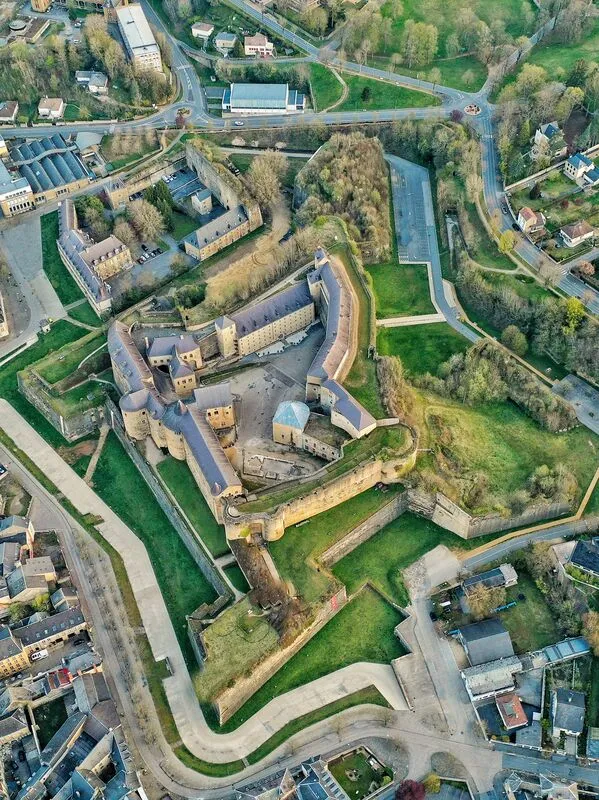
Ardennes: Meuse Valley and Forests
Discover the French Ardennes, from the Meuse Valley and Europe's largest medieval fortress at Sedan to Charleville-Mezieres's puppet festival and the wild forests of the Ardenne.
 Nature
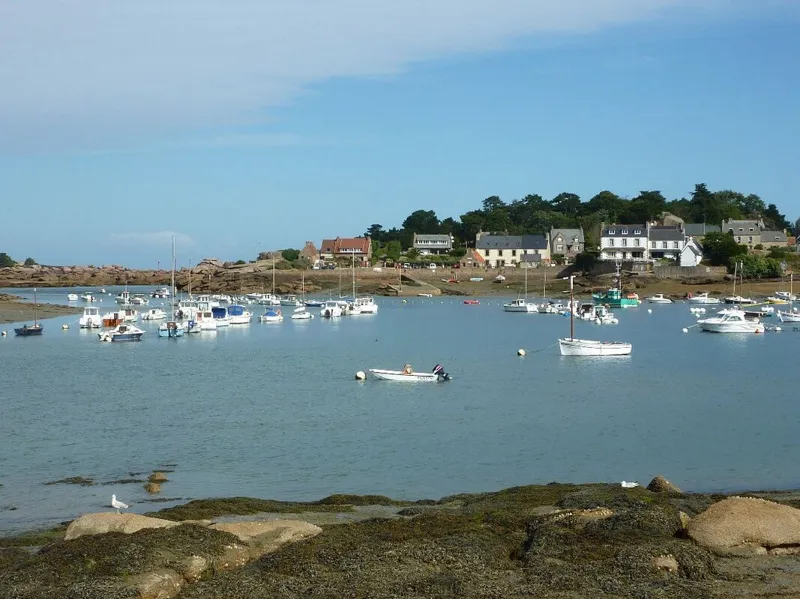
Côtes-d'Armor: The Pink Granite Coast
Discover Côtes-d'Armor: Pink Granite Coast, Cap Fréhel, Dinan, Île de Bréhat, Paimpol. Complete guide to this Breton département.