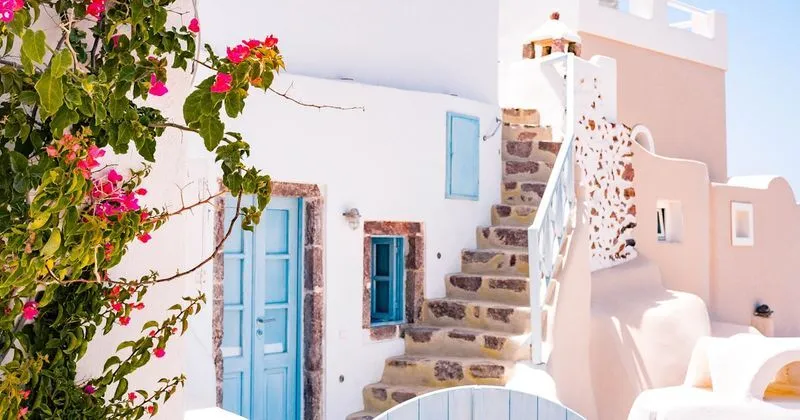
In barely an hour you can swap the warm pebbles of the Mediterranean shore for the snows of the Mercantour. Few territories in France offer such dramatic vertical range. The Alpes-Maritimes is far more than the Promenade des Anglais and the glitz of Cannes: behind the glamorous coastline lie sheer gorges, hilltop villages steeped in a thousand years of history, and the flower fields that have supplied the perfumeries of Grasse for centuries.
Nice: Capital of the Riviera
Nice is far more than a beach resort. France's fifth-largest city has a strong cultural identity, shaped by its Italian past (it only became French in 1860) and an exceptional art scene.
The Promenade des Anglais and Old Nice
The Promenade des Anglais, a 7-kilometre ribbon hugging the Baie des Anges, is the most iconic avenue on the Côte d'Azur. Walk, cycle or roller-blade along it with the Mediterranean stretching to the horizon. Behind the promenade, Vieux Nice (Old Nice) is a labyrinth of baroque alleyways, ochre facades and lively squares. The Cours Saleya hosts a morning flower and food market that is one of the finest in the south of France. Be sure to try socca, a wood-fired chickpea-flour pancake that is Nice's signature street food — eat it piping hot from Chez Thérésa or Chez Pipo. The Castle Hill (Colline du Château), though the fortress is long gone, rewards a short climb with a sweeping view over the city, the bay and the terracotta rooftops of the old town.
The Museums
Nice boasts a remarkable concentration of art museums. The Musée Matisse (free), housed in a seventeenth-century Genoese villa on the Cimiez hill, traces the career of the artist who lived in Nice for 37 years. The MAMAC (Museum of Modern and Contemporary Art, free) showcases the New Realism movement and the School of Nice, with works by Yves Klein, Niki de Saint Phalle and Ben. The Musée Marc Chagall (entry about 8 euros), dedicated to the artist's biblical cycle, is an intimate gem.
Antibes and the Cap
Antibes pairs historic charm with maritime prestige. Its Vauban ramparts enclose an old centre buzzing with restaurants and markets.
The Picasso Museum
The Musée Picasso occupies the Château Grimaldi, a medieval seaside fortress where Picasso worked during a prolific spell in 1946. The collection includes paintings, ceramics and lithographs from that sunny, productive period. Entry costs about 8 euros. The museum terrace delivers a stunning panorama of the sea and the Alps. The Provençal market on Cours Masséna, in a handsome covered hall, is one of the most appetising on the coast, overflowing with olives, goat cheeses and tapenade.
The Cap d'Antibes Coastal Path
The Sentier du Littoral around the Cap d'Antibes (also called the Tirepoil trail) circles the headland in 2 to 3 hours along a path carved into the rock between umbrella pines and hidden coves. The walk is free and offers jaw-dropping views of the snow-capped Alps and the Lérins Islands. The Jardin Thuret (free entry), a 3.5-hectare botanical garden, has been acclimatising over 3,000 exotic species since 1857.
Cannes and the Lérins Islands
Cannes is known worldwide for its film festival, but the city has more to offer than a red carpet.
La Croisette and Le Suquet
The Croisette boulevard, lined with palms and palatial hotels, curves along the bay for 2 kilometres. Le Suquet, the old quarter perched on the hill west of the harbour, retains a Provençal village atmosphere with cobbled lanes, a church and a medieval watchtower. The Forville market at its foot is where chefs and food lovers converge every morning except Monday.
The Lérins Islands
The ferry from Cannes harbour reaches Île Sainte-Marguerite in 15 minutes (about 16 euros return). The island is cloaked in pine and eucalyptus forest, threaded by trails. The Fort Royal, a former state prison, held the mysterious Man in the Iron Mask. Île Saint-Honorat, smaller and quieter, is home to a Cistercian monastery whose monks produce a well-regarded wine and liqueur. Visits and tastings are possible — inquire at the abbey shop upon arrival.
Grasse: Perfume Capital of the World
Grasse, perched at 350 metres above the coast, has been the world capital of perfumery since the eighteenth century. The fields of jasmine, roses and tuberose that surround the town still supply the great fragrance houses.
The Perfumeries
The house of Fragonard offers free guided tours of its historic factory, with demonstrations of extraction and blending techniques. Galimard and Molinard run workshops where you create your own personalised perfume (from about 45 euros for 90 minutes). The Musée International de la Parfumerie (entry about 6 euros) traces 5,000 years of fragrance history. The old town of Grasse, with its cathedral containing a Rubens triptych, deserves a wander in its own right.
The Gorges du Loup and Saint-Paul-de-Vence
The Gorges du Loup
The Gorges du Loup, a narrow canyon carved by the Loup river, offer a taste of wild nature just 30 minutes from the coast. The corniche road clings to the cliff edge above waterfalls, including the Saut du Loup (a 40-metre drop) and the Pont du Loup, a former railway viaduct now home to an artisan confectionery that produces crystallised flowers and candied fruit.
Saint-Paul-de-Vence
Saint-Paul-de-Vence is one of the most visited villages in France. Its sixteenth-century ramparts, art galleries and cobbled lanes have attracted painters and visitors since Modigliani, Chagall and the poet Prévert made it their home. The Fondation Maeght (entry about 16 euros), just outside the village, is one of Europe's most important modern art museums. Works by Giacometti, Miró, Braque and Calder are displayed in a building and sculpture gardens designed by Josep Lluís Sert that are themselves works of art.
The Mercantour and the Valley of Marvels
Mercantour National Park
The Parc National du Mercantour, at the northern edge of the département, protects a swathe of high-mountain wilderness that is home to ibex, chamois, marmots and wolves. Hiking trails cross spectacular scenery of glacial lakes, larch forests and Alpine meadows. Access is free. The village of Saint-Martin-Vésubie makes an excellent base for multi-day exploration.
The Vallée des Merveilles
The Vallée des Merveilles (Valley of Marvels), reached via a 2 to 3-hour hike from the Lac des Mesches trailhead, contains more than 40,000 Bronze Age rock engravings dating back 5,000 years. These petroglyphs depicting ox horns, weapons and geometric figures are unique in Europe. Visits to the archaeological zone must be accompanied by an accredited guide (about 15 euros per person; booking advised in summer). The surrounding landscape of high-altitude lakes and jagged peaks is itself worth the trek.
Practical Tips
Getting Around
Nice-Côte d'Azur airport is France's second busiest. Regional trains (TER) link the coastal towns from Cannes to Menton with frequent, inexpensive services. A car is essential for the hinterland and Mercantour. The corniche roads are spectacular but demanding, with tight hairpins and steep grades.
When to Visit
May to June and September deliver the best balance of warm coastal weather and good hiking conditions in the mountains. July and August are very hot on the coast but ideal for the Mercantour. Winter is mild on the Riviera, making Nice a rewarding off-season city break.
Budget
This area is pricier than the French average, especially in high season. Expect to pay 70 to 110 euros per night for a decent hotel, 110 to 170 euros for a charming B&B or boutique hotel, and 170 to 300 euros for premium establishments. Meals range from 18 to 28 euros for lunch to 30 to 55 euros for dinner. To save money, book well in advance, stay slightly away from the most touristy zones (prices drop 20-30%), eat at markets and local food stalls rather than seafront restaurants, and take advantage of the many free activities: hiking, beaches, village walks, panoramic viewpoints.
Explore on the map
Map →📚 Related collections
Related guides
 Regions
Ain: Bresse, Dombes and Pays de Gex
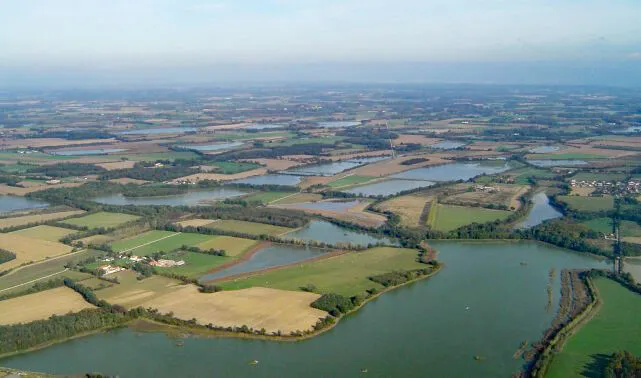
Discover the Ain: world-famous Bresse poultry, the thousand ponds of the Dombes, Pays de Gex facing Mont Blanc and the emerald gorges of Nantua. Complete guide.
 Regions
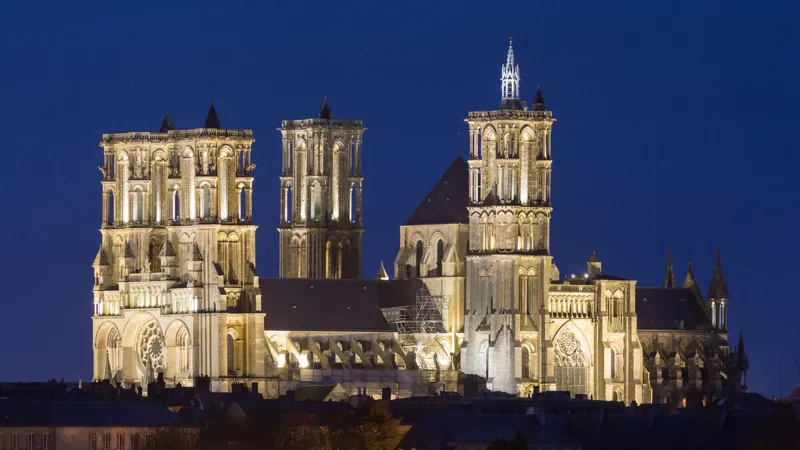
Aisne: Laon's Medieval Citadel and the Chemin des Dames
Discover the Aisne département: Laon's hilltop medieval city, the Chemin des Dames battlefields, Soissons, the Familistère de Guise and Champagne vineyards. Complete travel guide.